Notes from the inside of real AI infrastructure.
What we ship for customers, what works, what does not, and the patterns we keep seeing across enterprise teams adopting Claude.
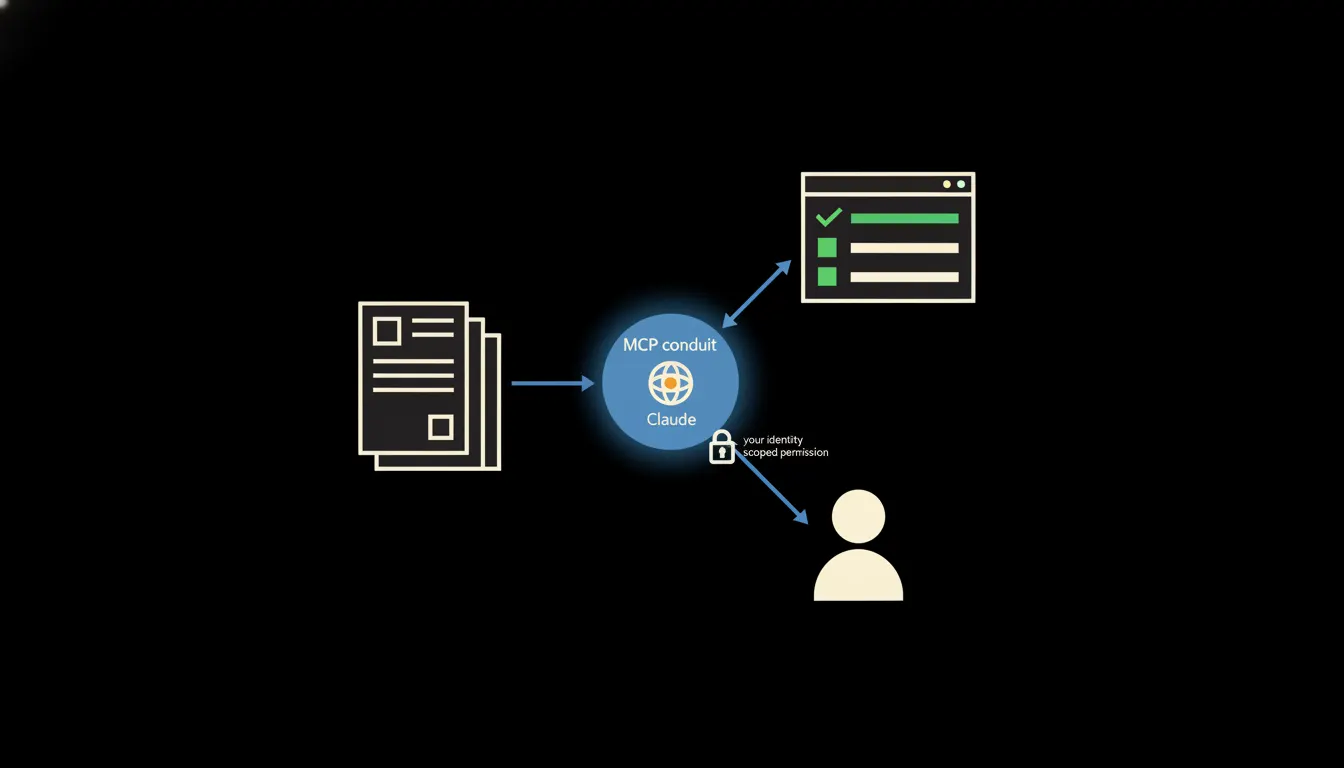
The new hire stops asking five times a day
The first week at a new job is a flood of questions: for HR, the manager, whoever is nearby. Claude steps in as a quiet guide that knows the internal processes and answers what everyone is afraid to ask.
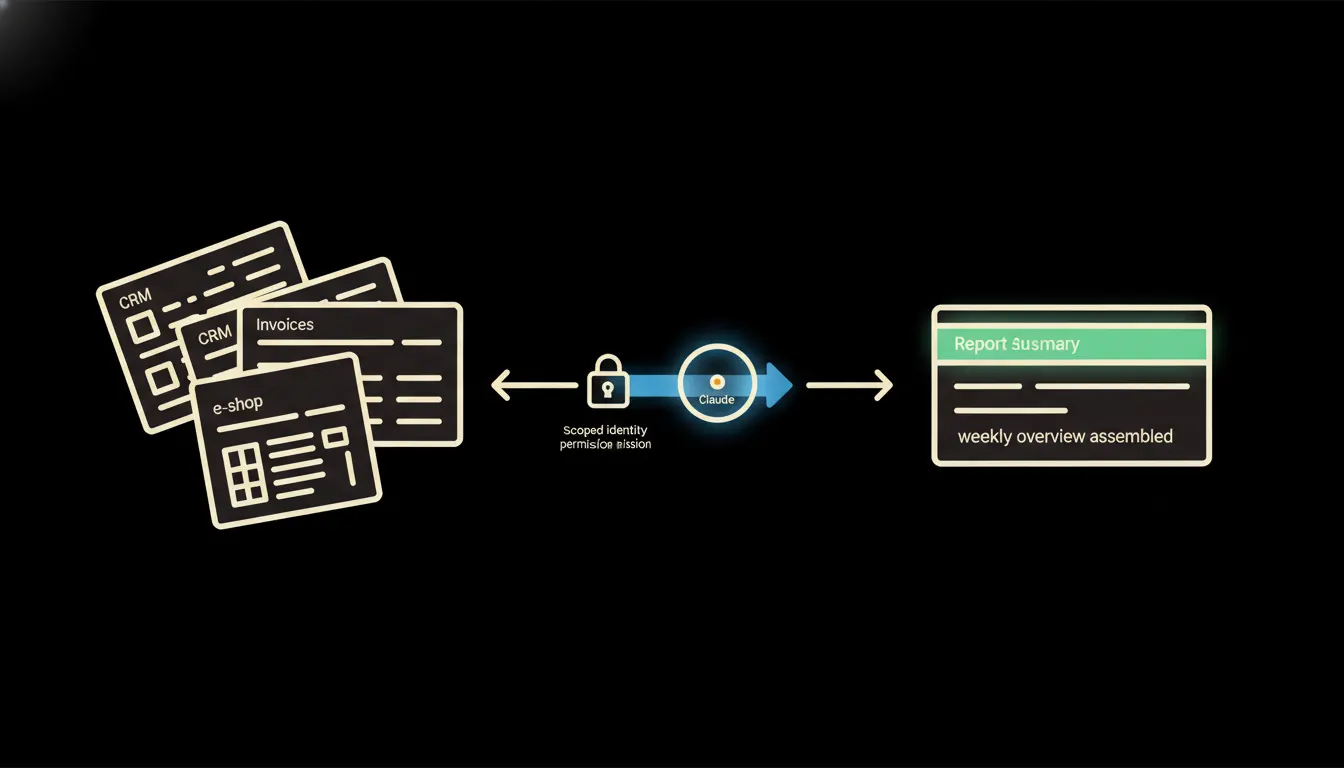
The weekly report that writes itself
Instead of hours spent copying numbers from different systems, a manager gets a finished overview every Monday morning, assembled by Claude directly from company data. No templates, no manual updates.
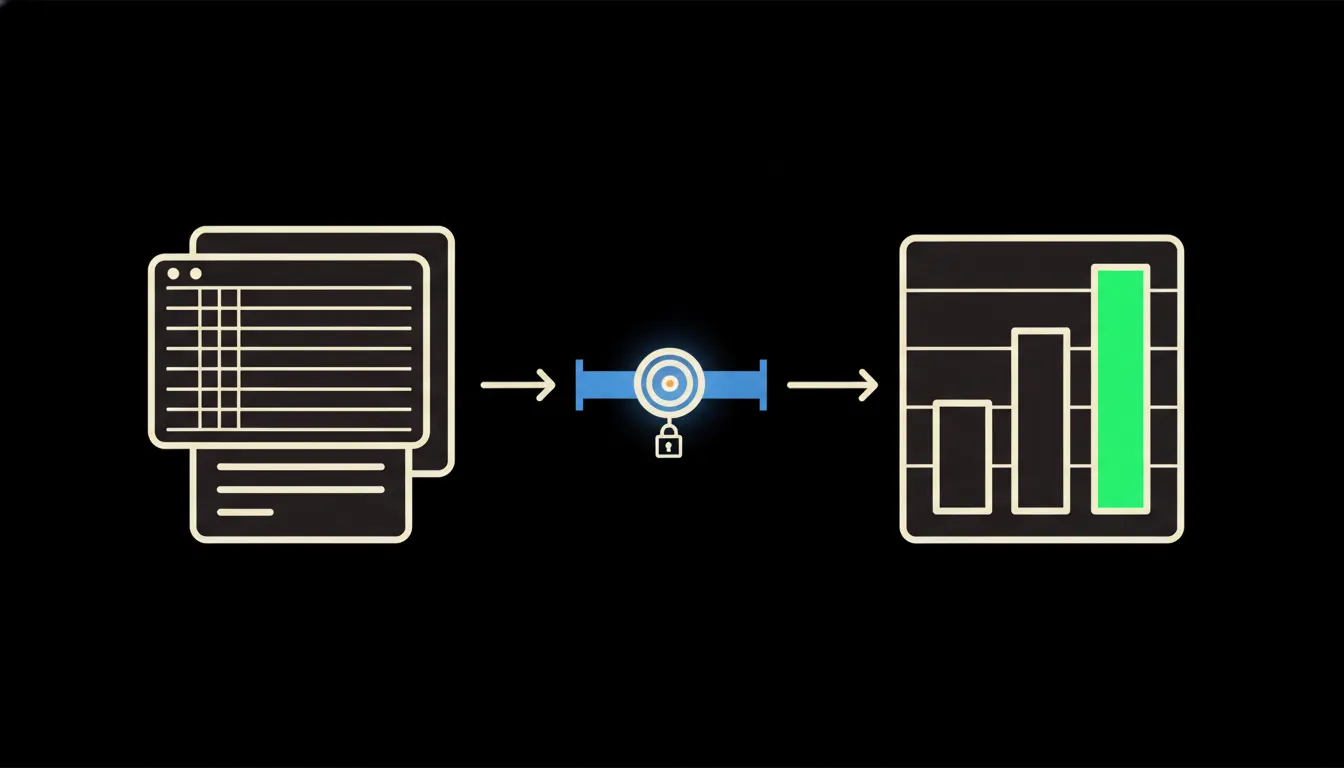
Salary benchmark in seconds, not hours of research
Before every hire, an HR manager opens the company's Claude instance and gets a current market range for the role in under a minute, pulled from internal records and the external sources they already have access to. No manual portal-browsing required.
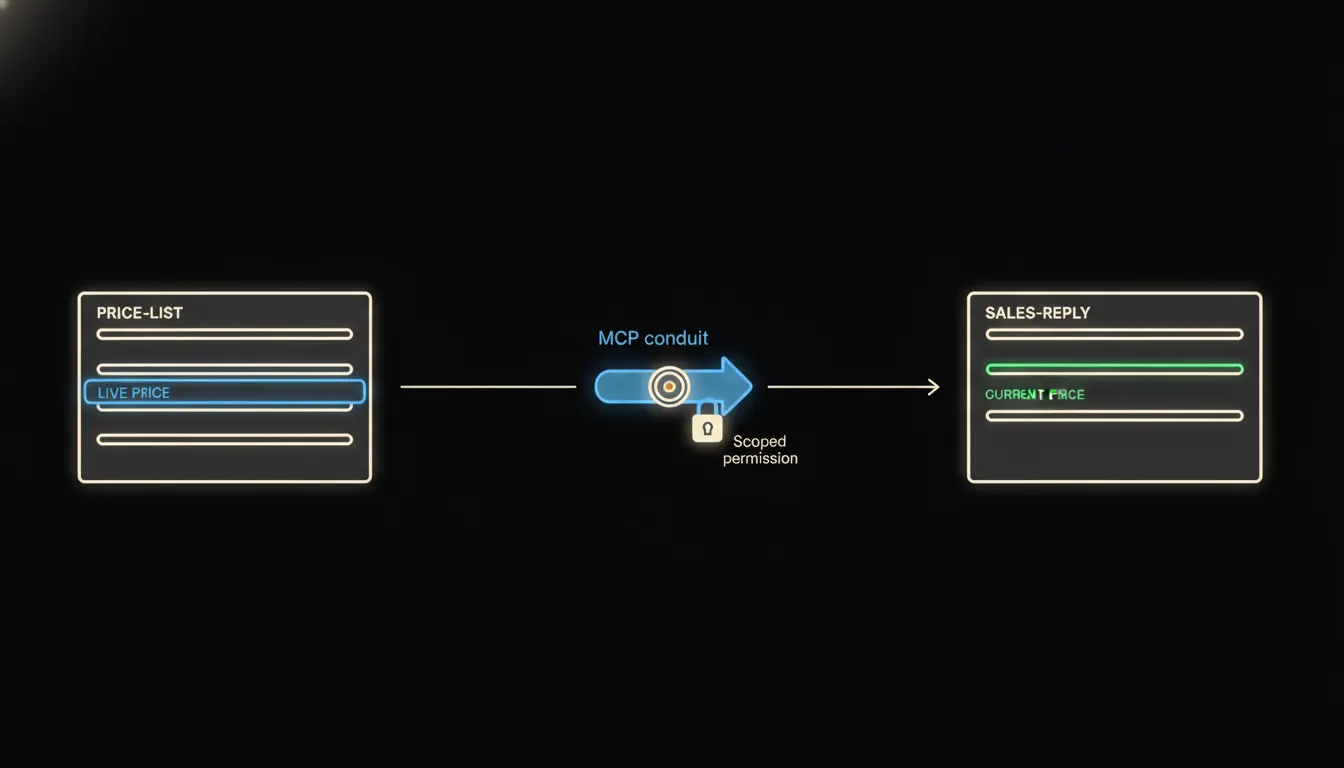
The price list that never needs to be resent
When a price or condition changes, the sales rep doesn't chase it by email. Claude pulls the current data itself, straight from where it lives.
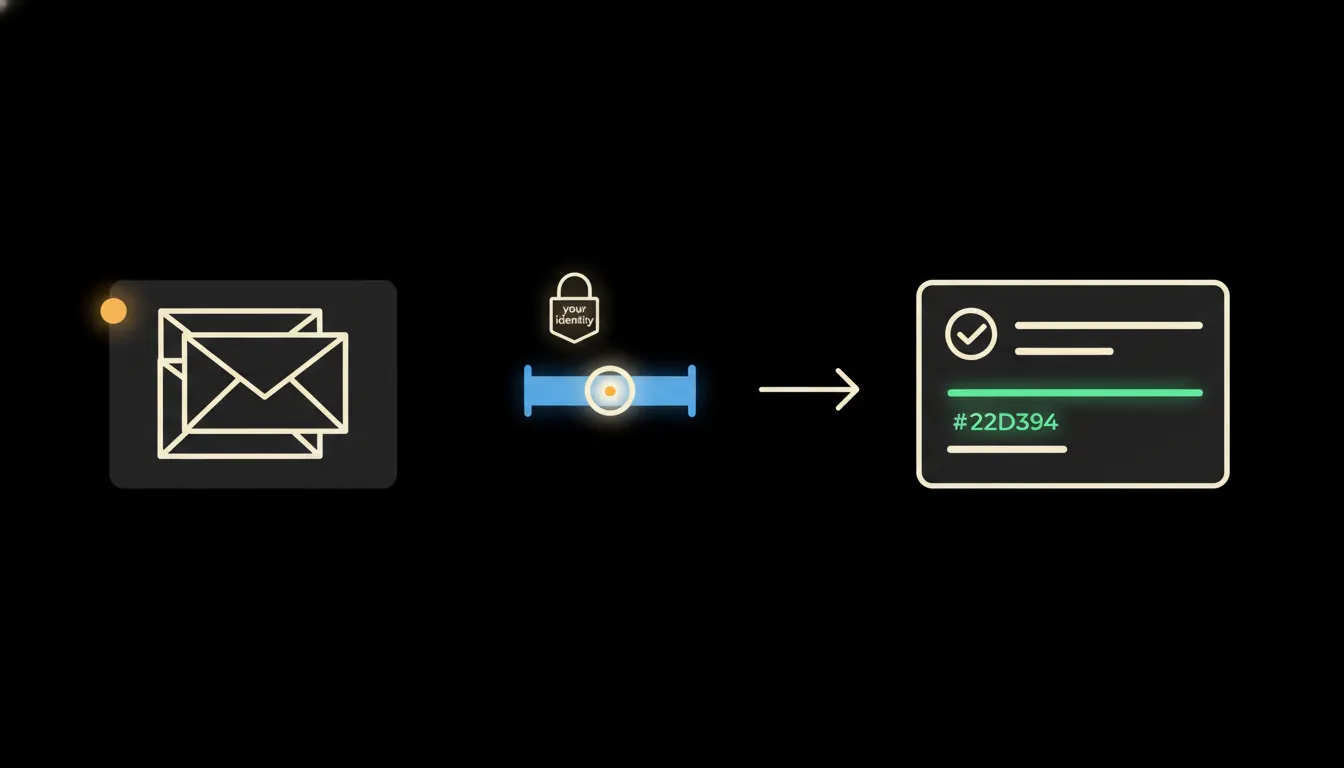
Approvals without the email ping-pong
Every internal request waits on a reply. Claude connected to your systems knows who approves what, sends the nudge, logs the outcome, no forwarded email required.
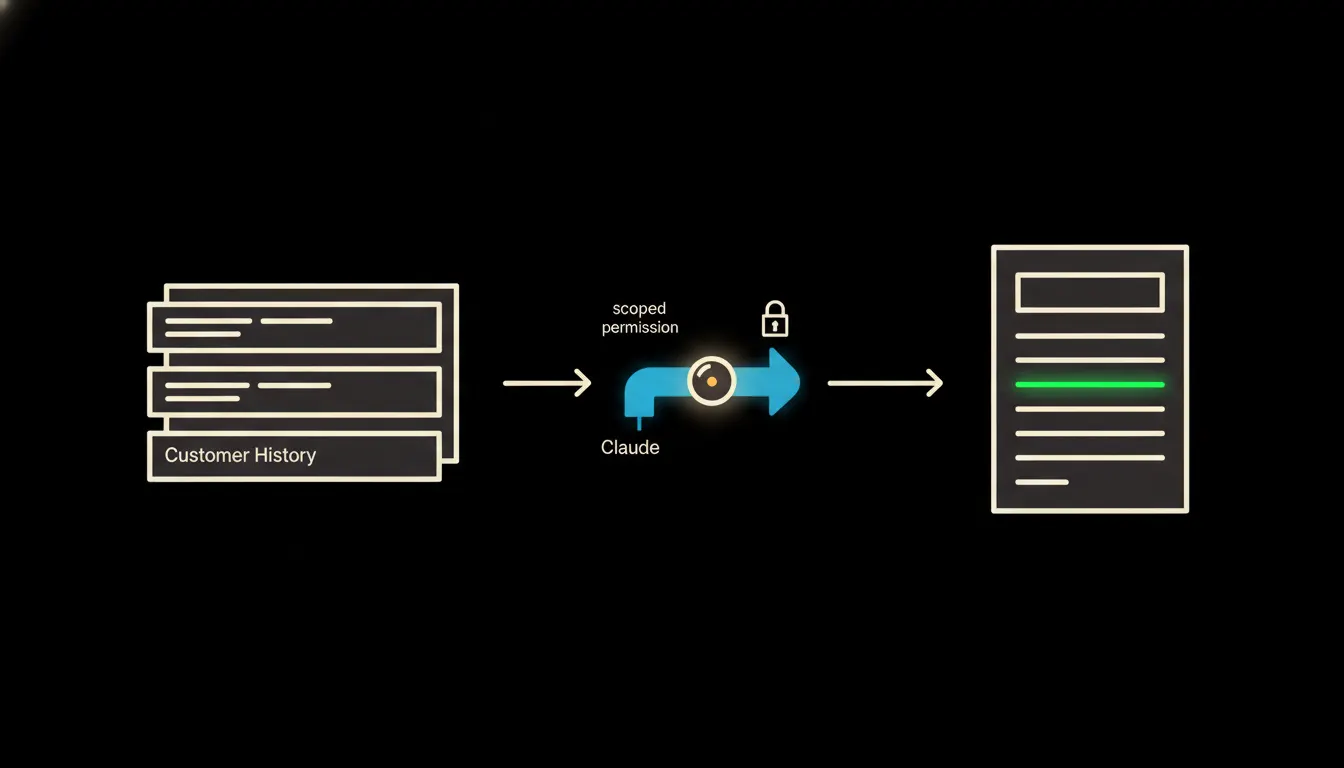
A proposal built from CRM data before you open your laptop
A sales rep opens their laptop in the morning and the proposal for today's meeting is already there, built from order history, open opportunities, and CRM notes. No copy-paste, no forgotten details.
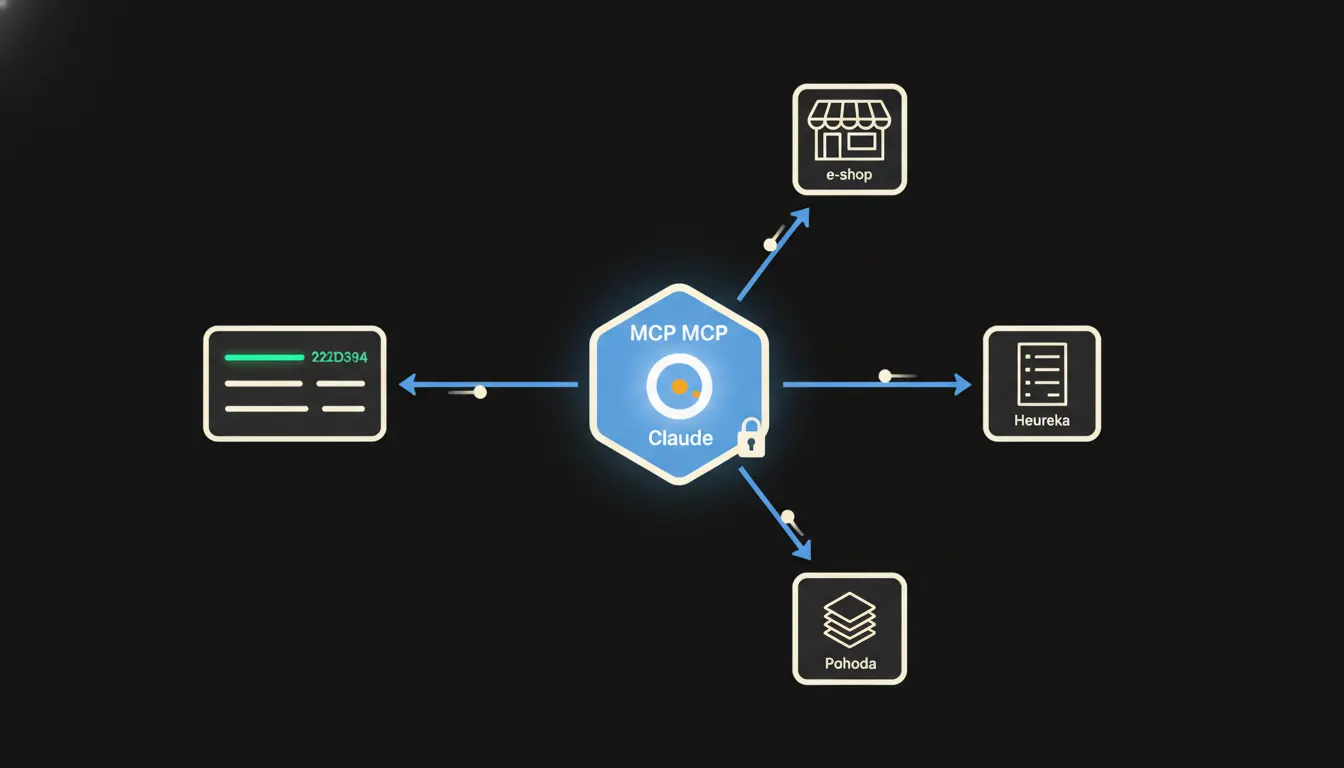
Change a product once, update it everywhere
Updated a spec, price, or availability? Claude takes the revised product card and pushes the change to your store, warehouse system, and sales materials, in one pass, with the right permissions.
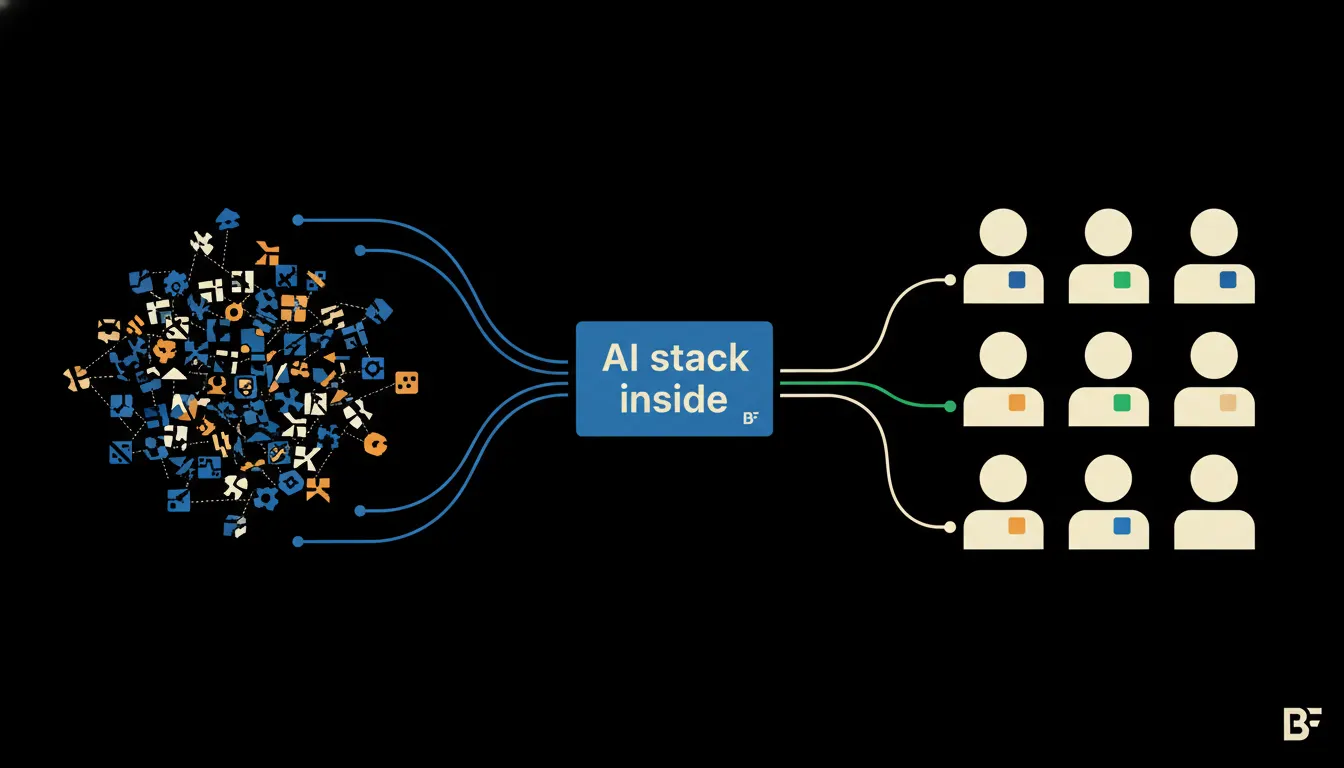
How we built shared AI infrastructure for Business Factory
Every team had a different AI subscription: GPT here, Claude there, locked-down Google Drive everywhere. Here is how we replaced the chaos with one governed platform that respects every existing permission.
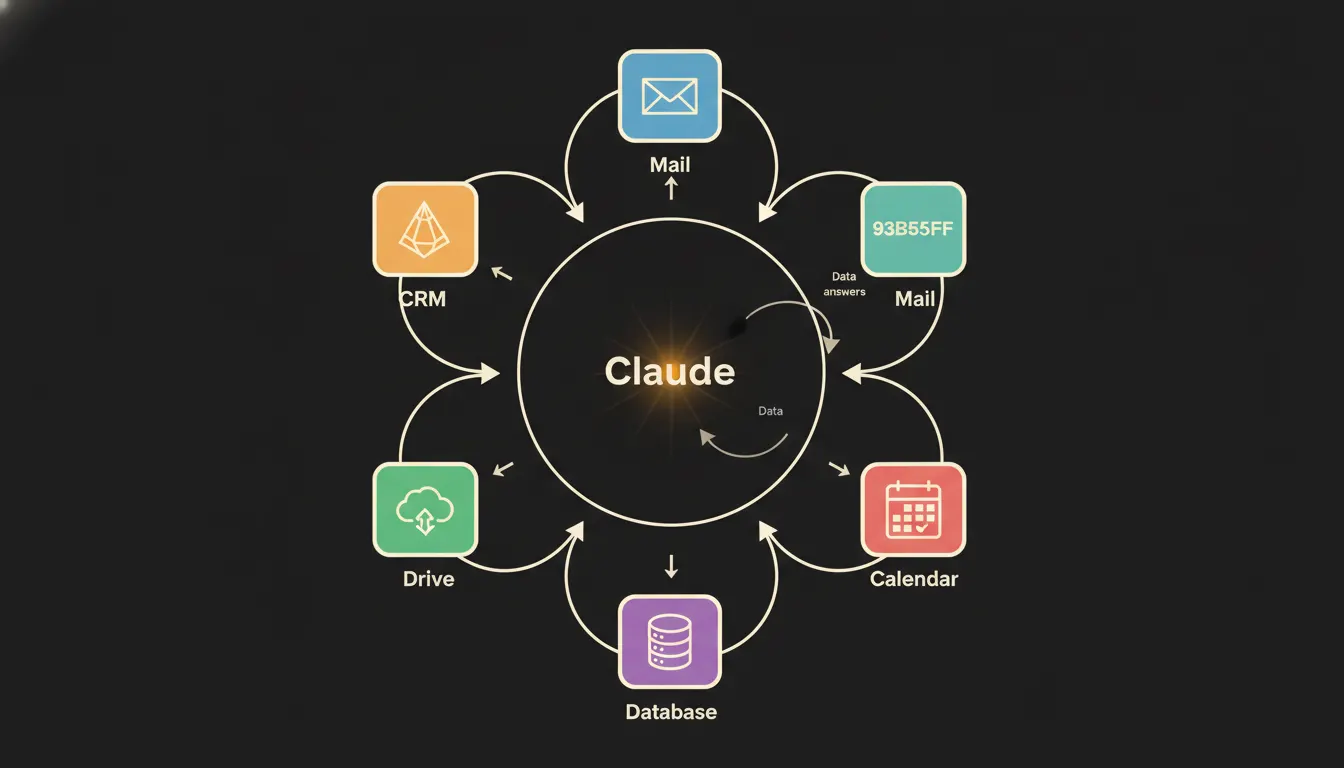
Claude is only as smart as the data it can reach
A demo of Claude answering generic prompts is not what changes a business. Connecting it to your CRM, your calendar, your books. That is. Here is what we have learned about which connections matter and why.