Notes from the inside of real AI infrastructure.
What we ship for customers, what works, what does not, and the patterns we keep seeing across enterprise teams adopting Claude.
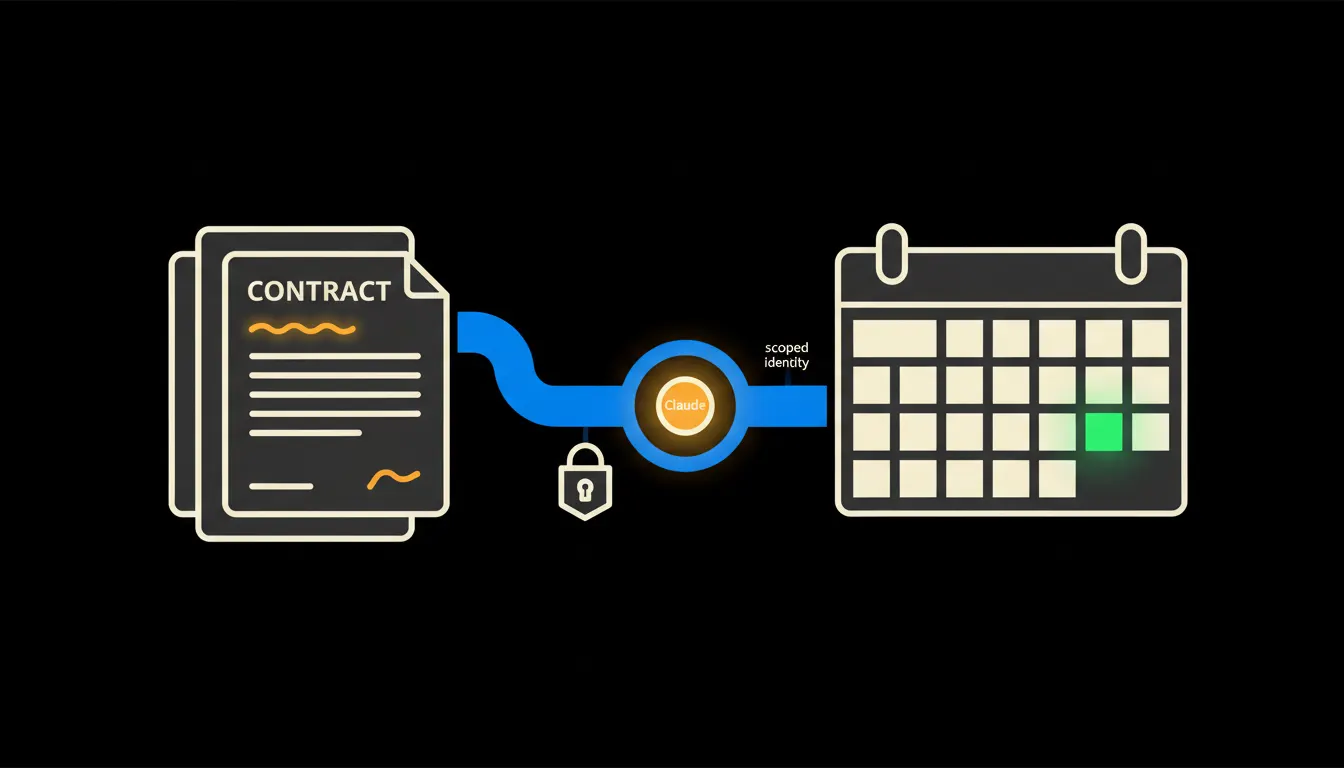
Contract notice periods: a warning before the contract renews itself
Automatic renewal is usually the most expensive line nobody read. Give Claude access to the contract folder and the calendar, and the warning arrives early, with the clause that caused it.
CRM reports for owners: the state of sales without a single spreadsheet
An owner should not have to learn CRM filters or wait for the sales lead. Ask in plain language, get the numbers you are allowed to see.
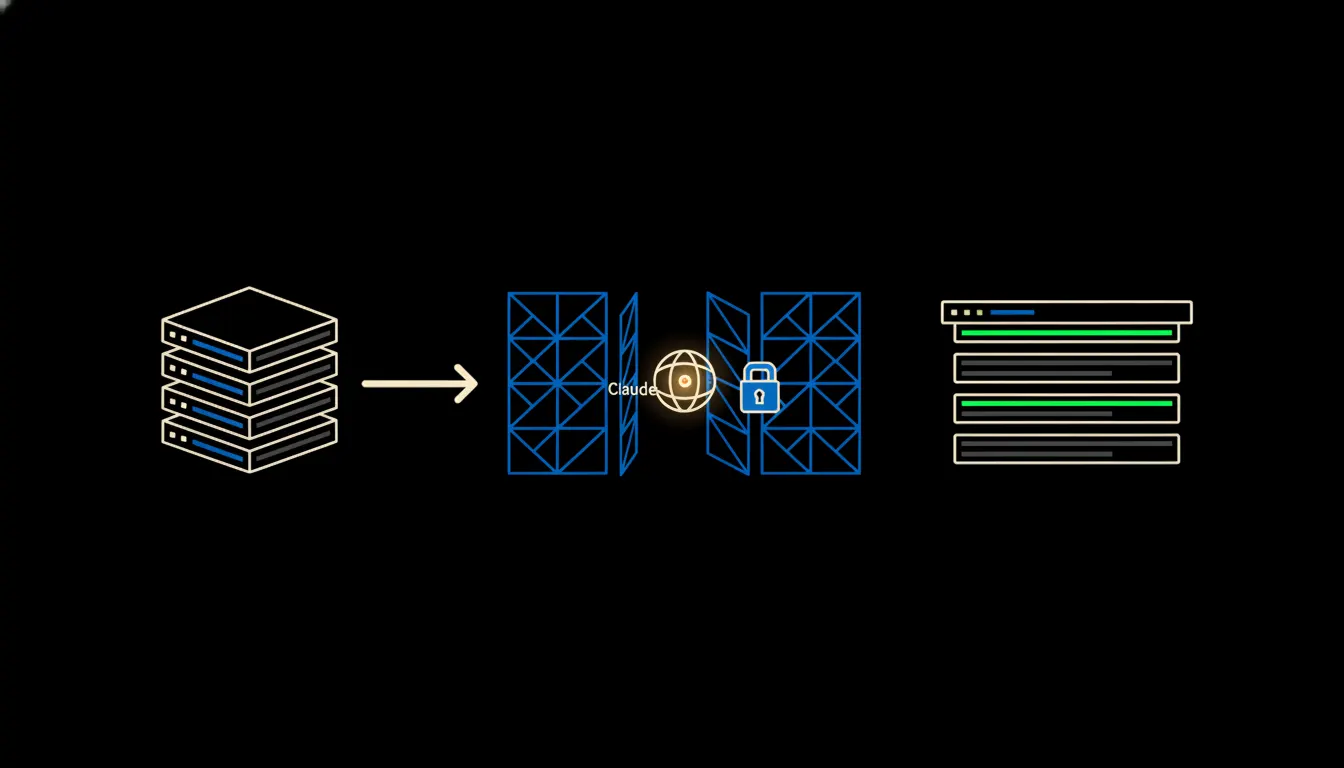
Company data and AI behind the firewall: what running on your own infrastructure means
The board question is always the same: where does our data go. The answer we build is boring, and that is the point. It stays where it is today, and Claude reaches it through your network.
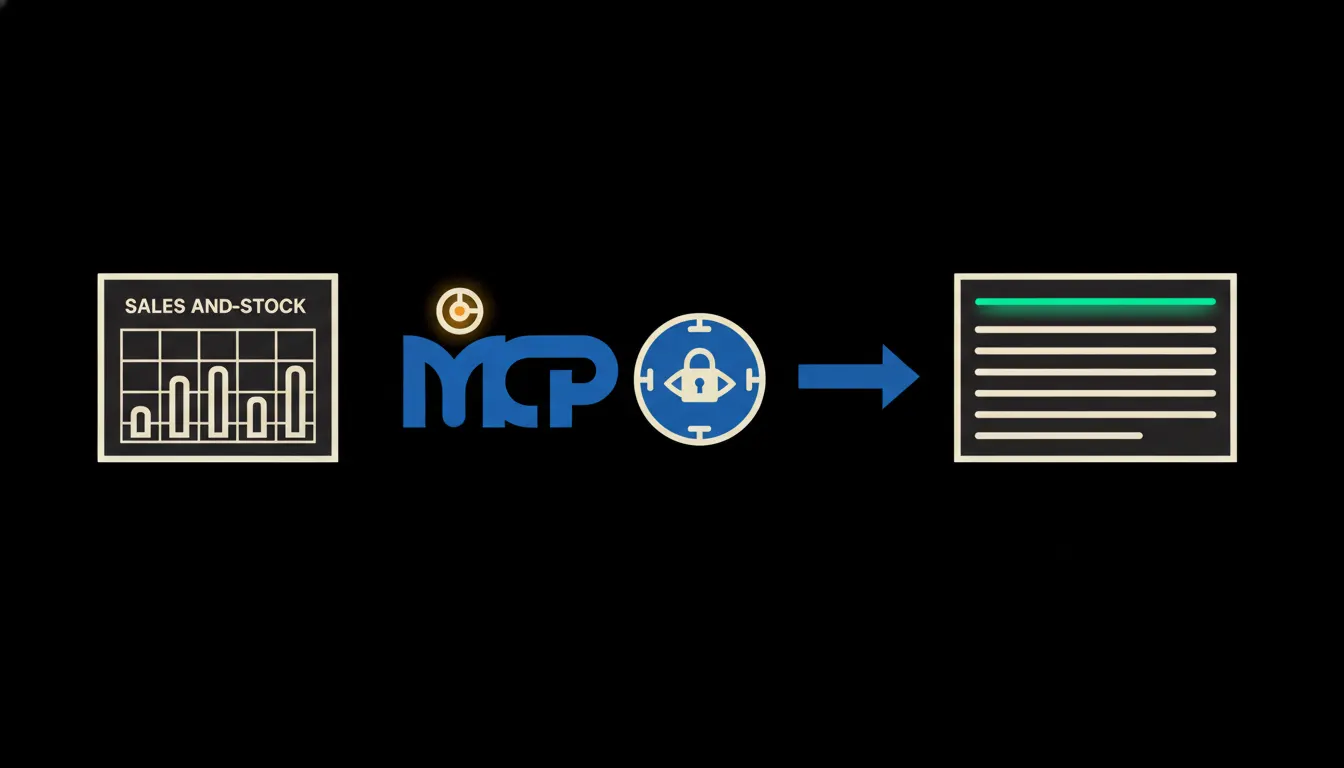
A newsletter built from what the company actually sold
Instead of inventing topics in front of a blank screen, pull the last month out of your own systems: what moved in stock, what customers kept asking, what is about to go out of season. Then the writing starts from facts.
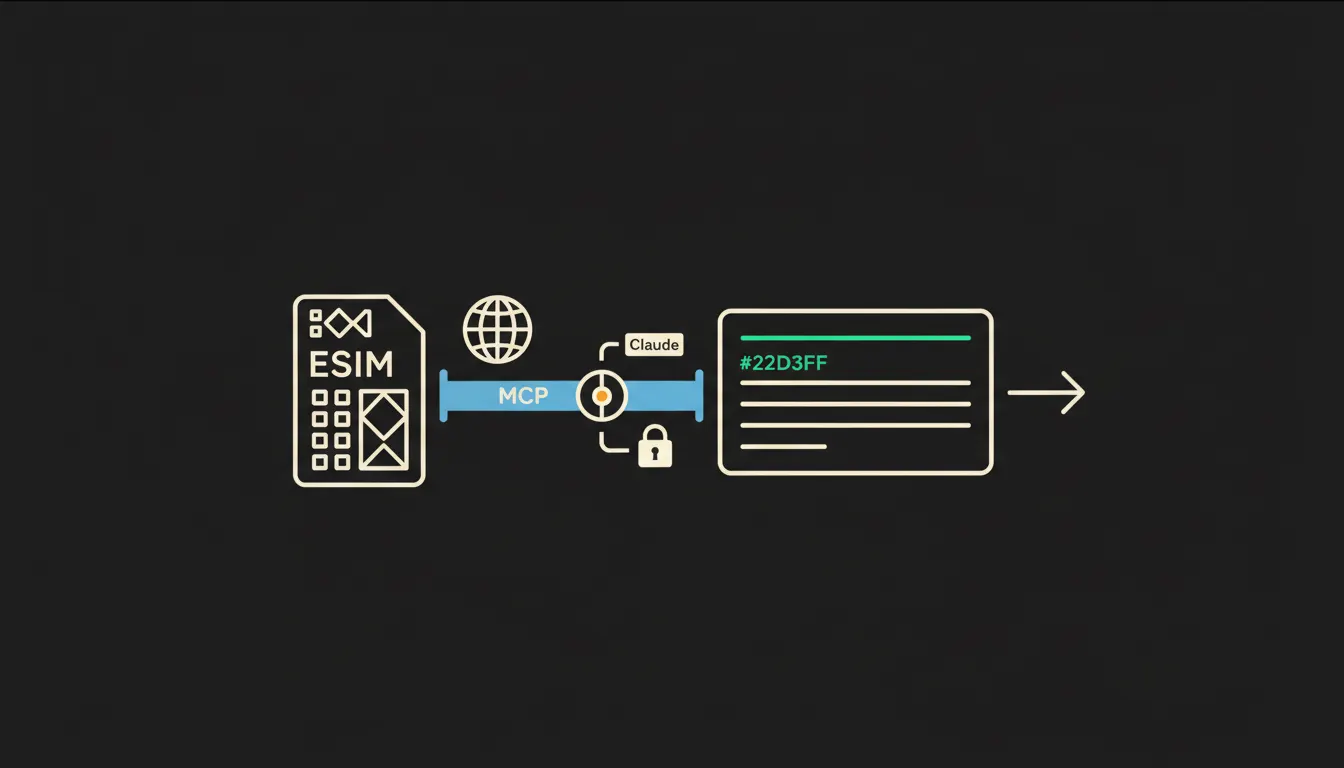
Company data and Airalo: your travel eSIMs, one question away
Who holds an active eSIM, how much data is left, and what the next trip needs. With Airalo connected, the answer comes from live records instead of a spreadsheet somebody updates by hand.
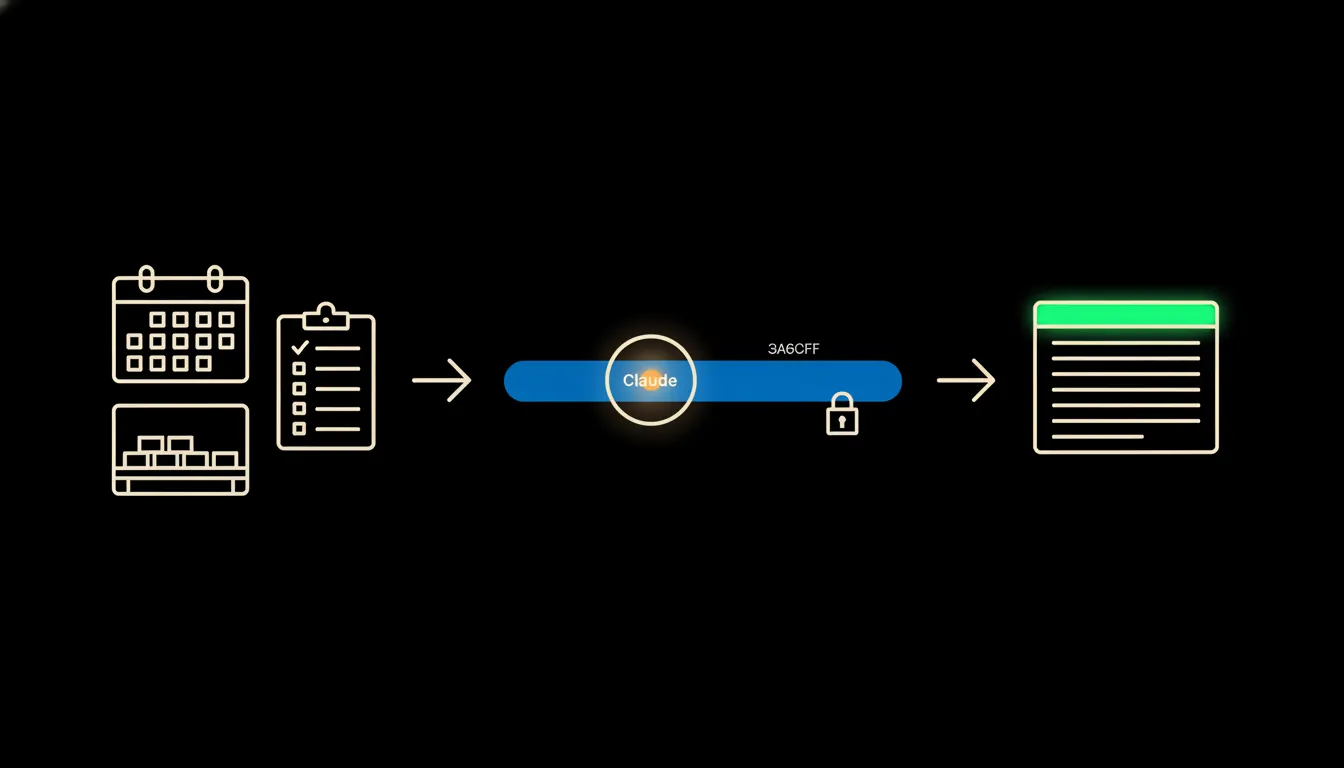
Connecting data in an airsoft business: the field, the rental desk and the gear shop
An airsoft operation runs on bookings, equipment records and gear sales, usually in three separate tools. Here is what it looks like when you can ask all three a plain question and get the answer in seconds.
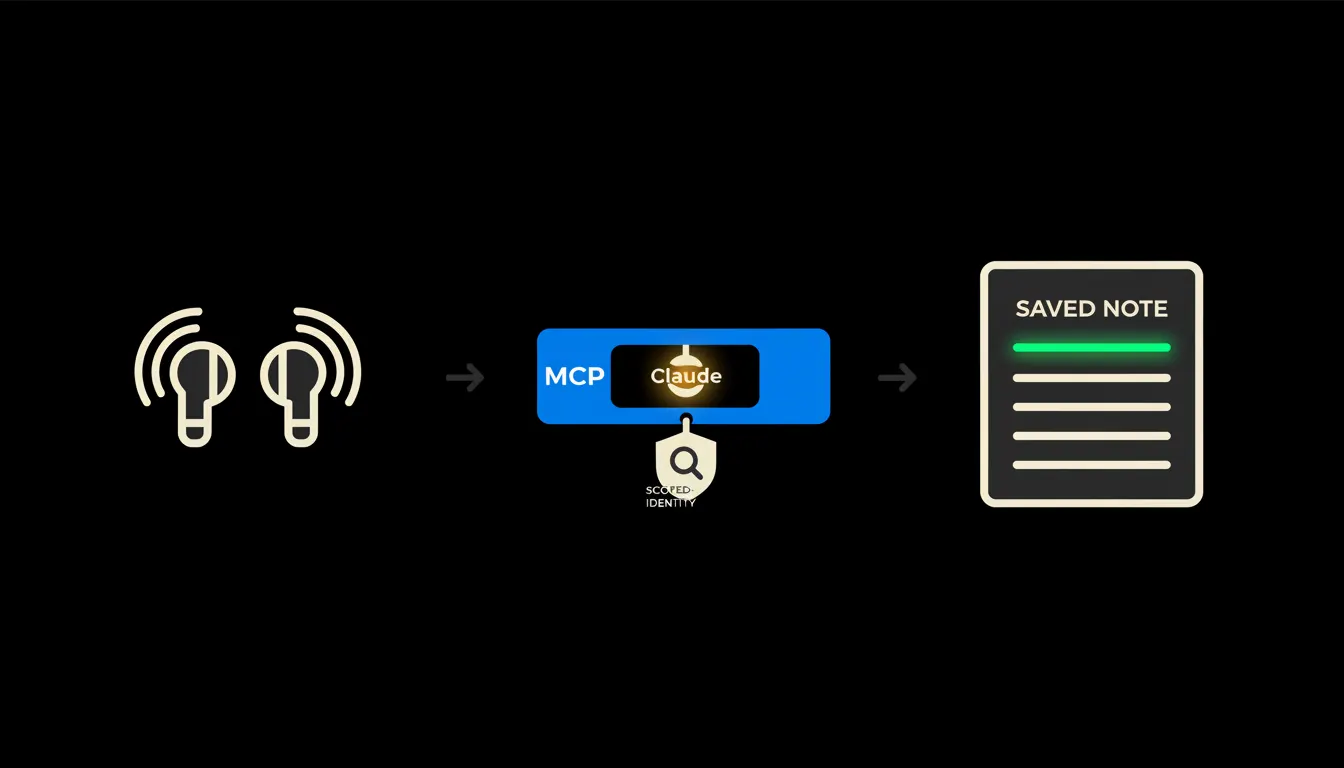
Connecting data to AirPods: what can be linked and what cannot
Earbuds hold no company data. What you can connect is what they leave behind: a note dictated from the car that ends up written where the team looks for it.
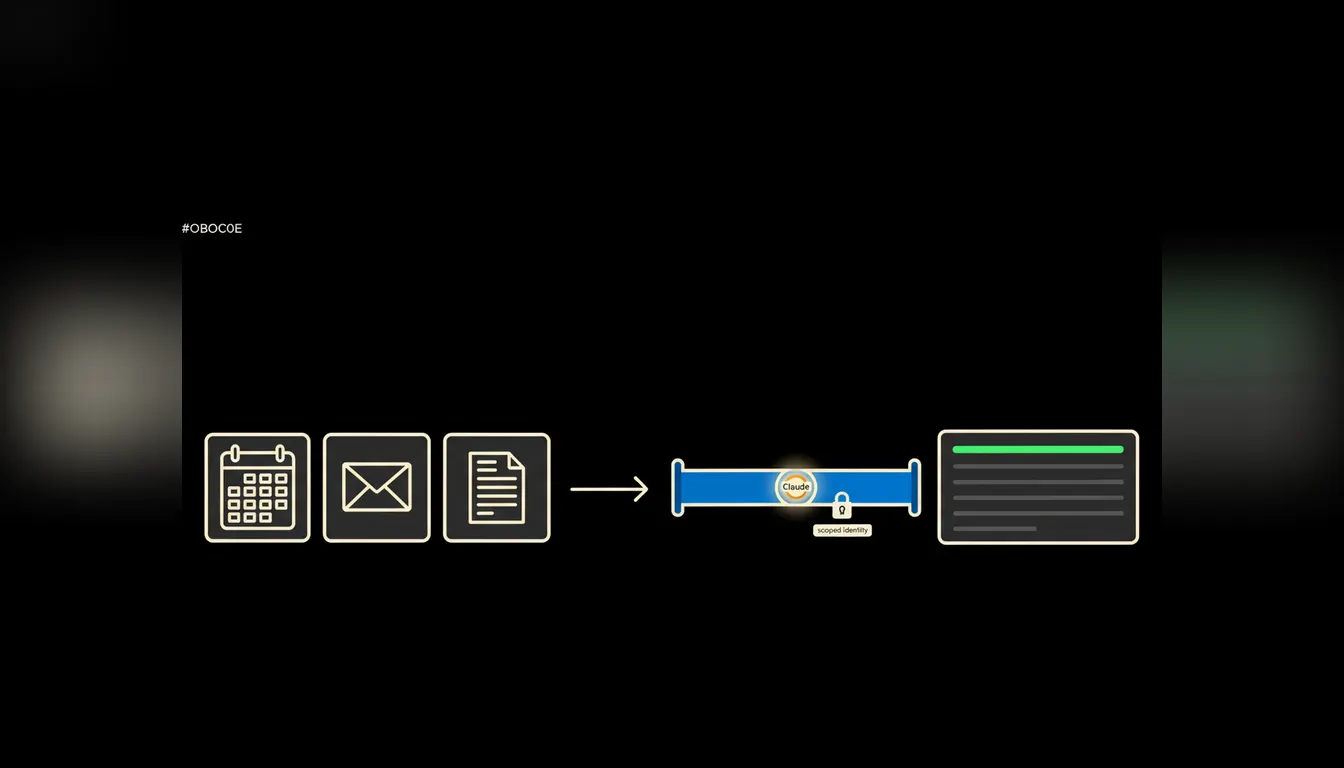
The AI assistant at work: what it actually takes off your desk
Most people picture a chat window that writes nicer emails. The real saving starts somewhere else: with access to the calendar, the inbox and the documents you already have.
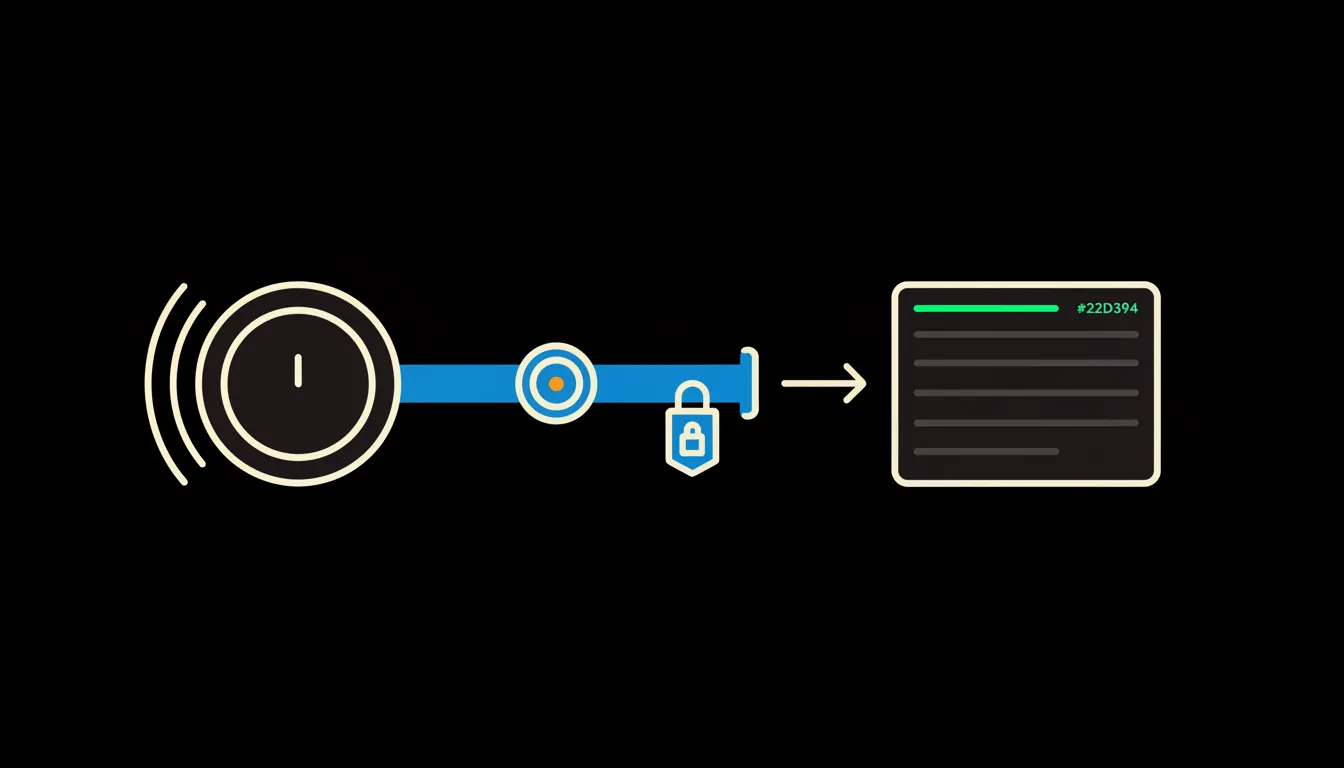
Connecting data to an AirTag: what works, what does not, when you track company kit
An AirTag tells you where a thing is lying. It does not tell you whose it is, when it comes back, or what it cost. The difference is what it is connected to.
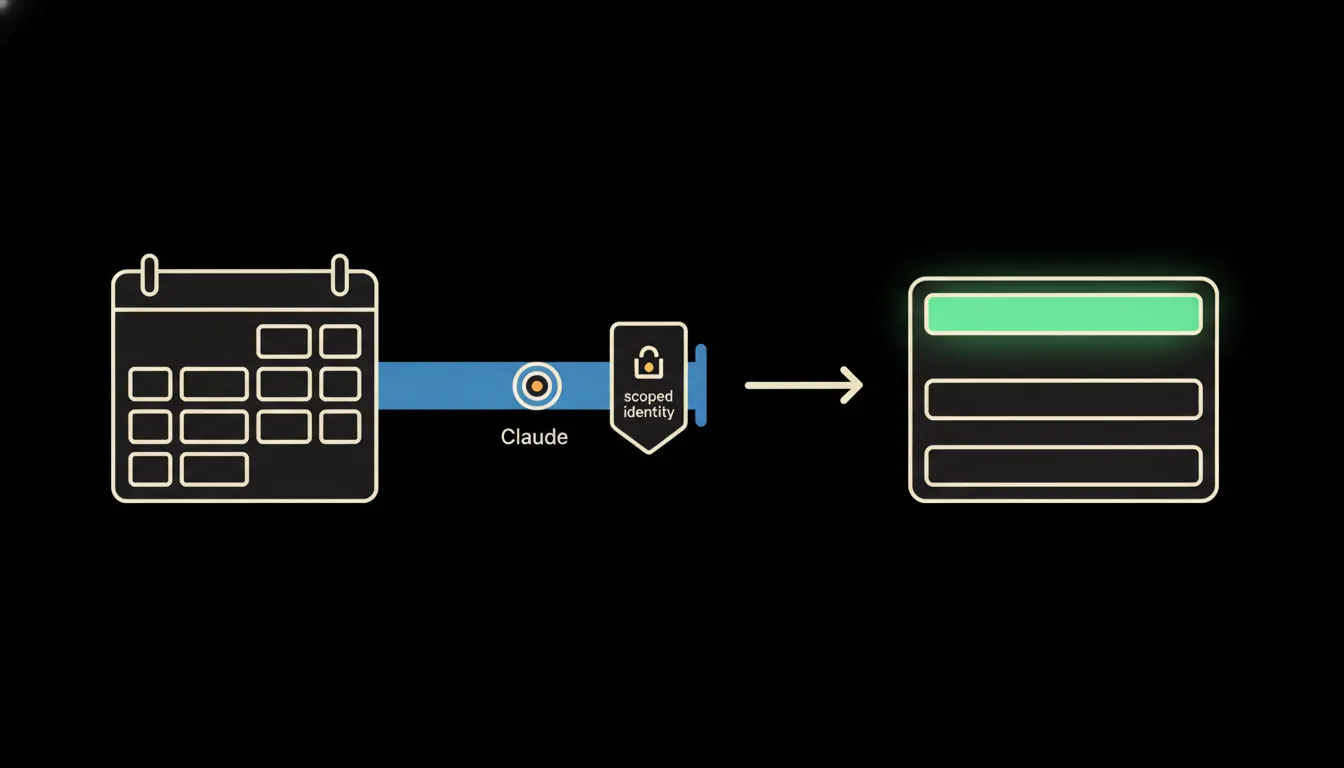
Connecting Airbnb data: what an apartment manager gets out of it
Reservations, calendar, cleaning and invoicing usually live in four windows. Connecting the data means occupancy and revenue come back from one sentence.