Topic: Sales
Articles on the topic Sales.

CRM reports on sales meetings: which visits actually turn into deals
The calendar knows where your salespeople went. The CRM knows what sold. When Claude reads both through one MCP server, everyone can see which kinds of meetings are worth the drive, within their own permissions.
CRM product reports: what drives revenue and what just takes up space in the price list
Most companies know how much they sold. Fewer know what they sold and to whom. Claude connected to your CRM answers a question about your product range in plain language, with the permissions of whoever is asking.
CRM reports by region: where you actually sell and where you just drive
A sales rep clocks hundreds of kilometres, yet the revenue comes from somewhere else. With your CRM connected to Claude, a map of performance by region is one question away, not a spreadsheet export.
CRM sales cycle reports: where your deals sit the longest
Most companies know how many deals they closed, but not which stage they get stuck in. Claude connected to your CRM works it out from one question, with the permissions of whoever is asking.
CRM reports on cross-selling: which customers to offer what they don't buy from you yet
Most regular customers buy one or two things from you and never hear about the rest of the range. Claude connected to your CRM and invoicing shows you in one sentence who is missing what, and who to call first.
CRM task reports: which follow-ups nobody did
Every CRM holds tasks that were due last week and quietly slipped. Claude connected to your CRM lists them on Monday morning by salesperson and by customer, showing each person only what they are allowed to see.

CRM reports on open quotes: what is still waiting for an answer
Sent quotes that nobody answered get lost in the CRM among dozens of others. Claude connected to your CRM can rank them every Monday by value and age, as a shared routine each salesperson runs with their own permissions.
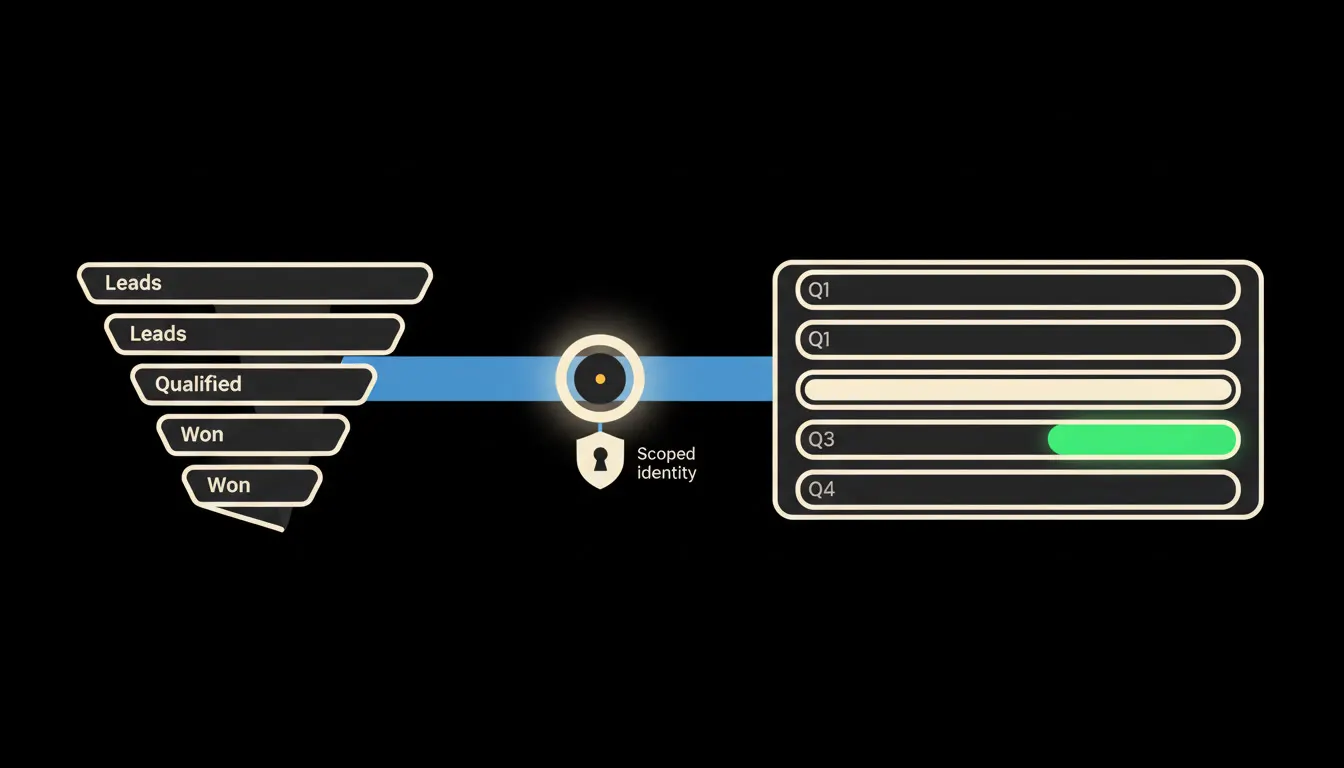
CRM pipeline reports: a quarterly revenue forecast from data you already have
Open deals, their stages and your close history already sit in the CRM. Nobody puts them together. Claude builds a sober quarterly estimate on request and shows which deals the number rests on.
CRM reports on lost deals: why deals fall through and at which stage
The reason for every loss is written in your CRM, but nobody reads those reasons together. Claude connected to your CRM tells you where deals fall through, with whom and why, and each salesperson sees only what they have rights to.
CRM sales performance reports: who closed what, in one sentence
How many meetings, how many offers, how many signatures, and whose deals are stuck. When Claude reads the CRM directly, it builds a team performance overview in a minute, and each lead sees only their own team.

A quote without waiting for the warehouse
A sales rep asks about stock availability and Claude answers directly from the warehouse system, no phone call, no email, no waiting. How connecting inventory data to your sales team gets every quote out at the right moment.
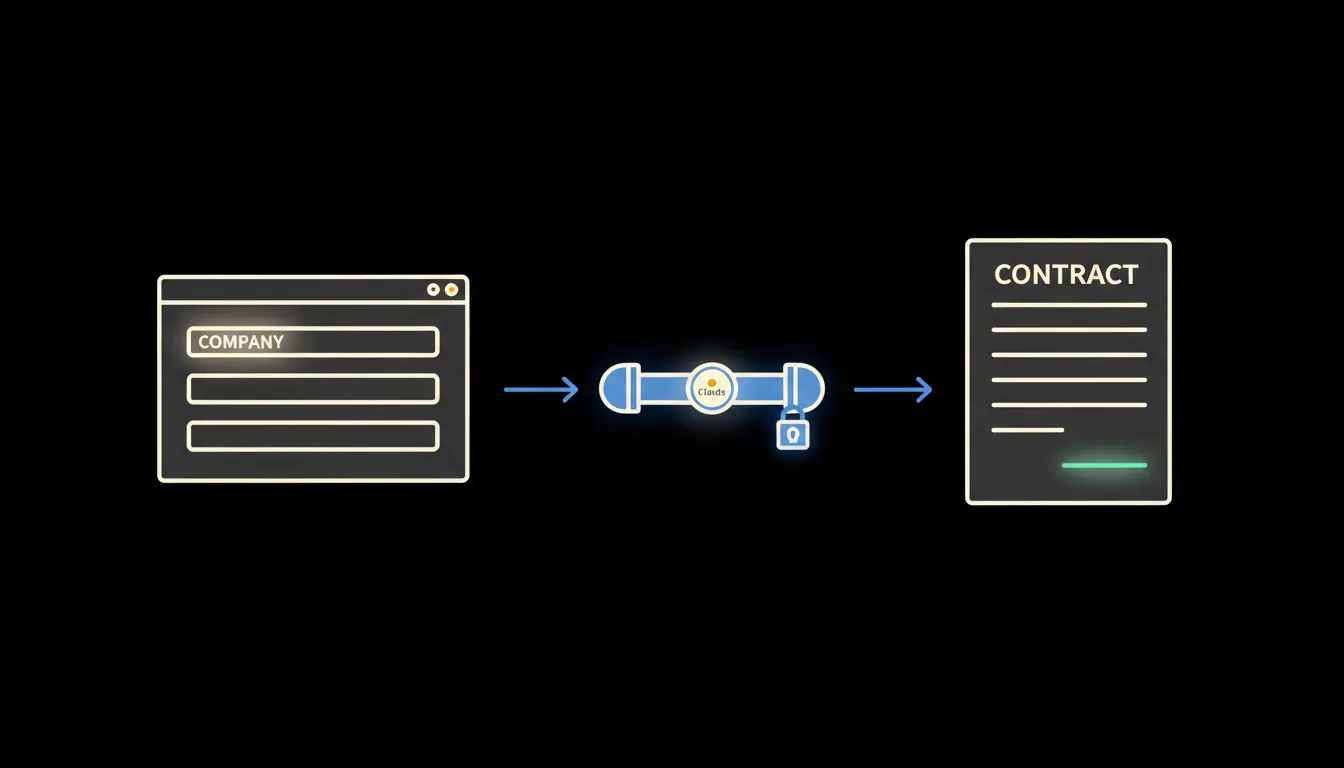
Contract ready to sign before the customer puts down the phone
A sales rep closes a call and Claude immediately drafts a contract from CRM data, no waiting for legal or a template buried in email.
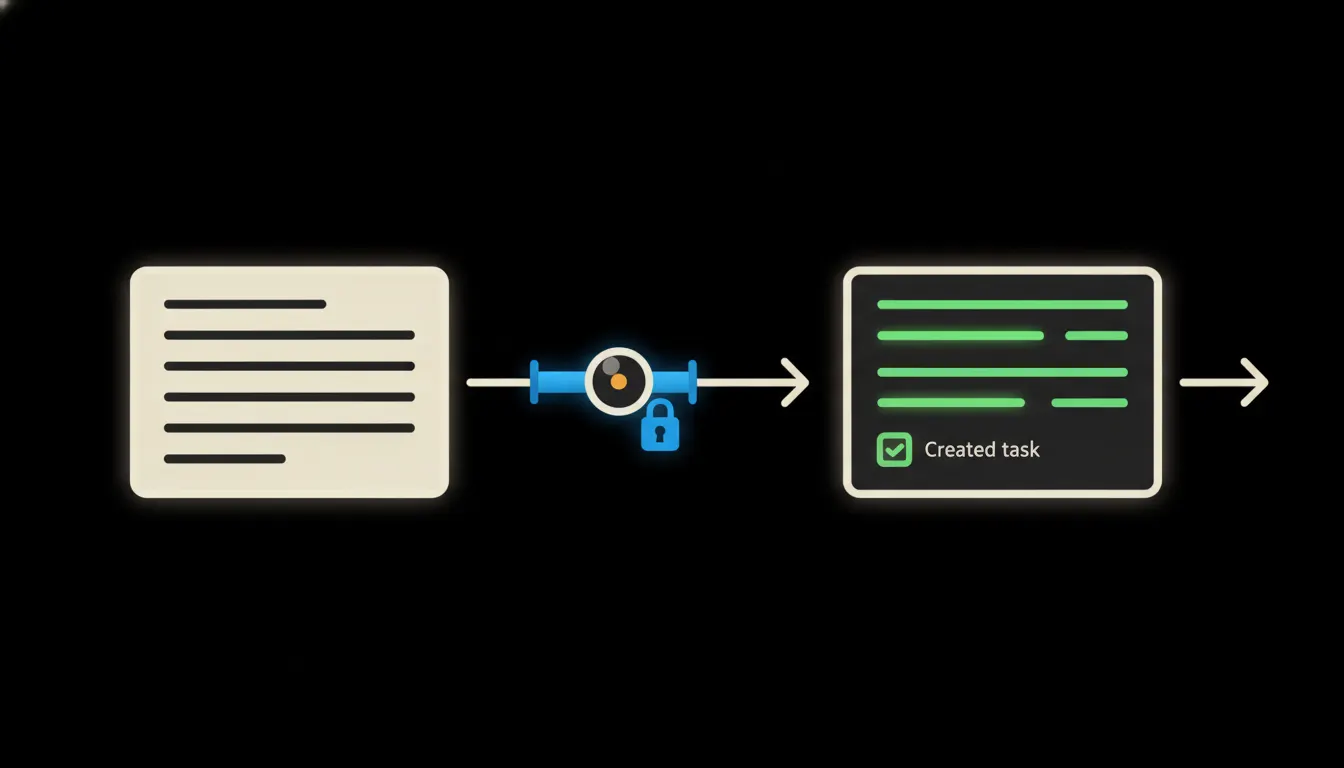
Meeting notes that write themselves into your CRM
After every sales call, someone rewrites notes into the system. Claude does it instead and immediately creates a task, updates the opportunity, and drafts the follow-up.
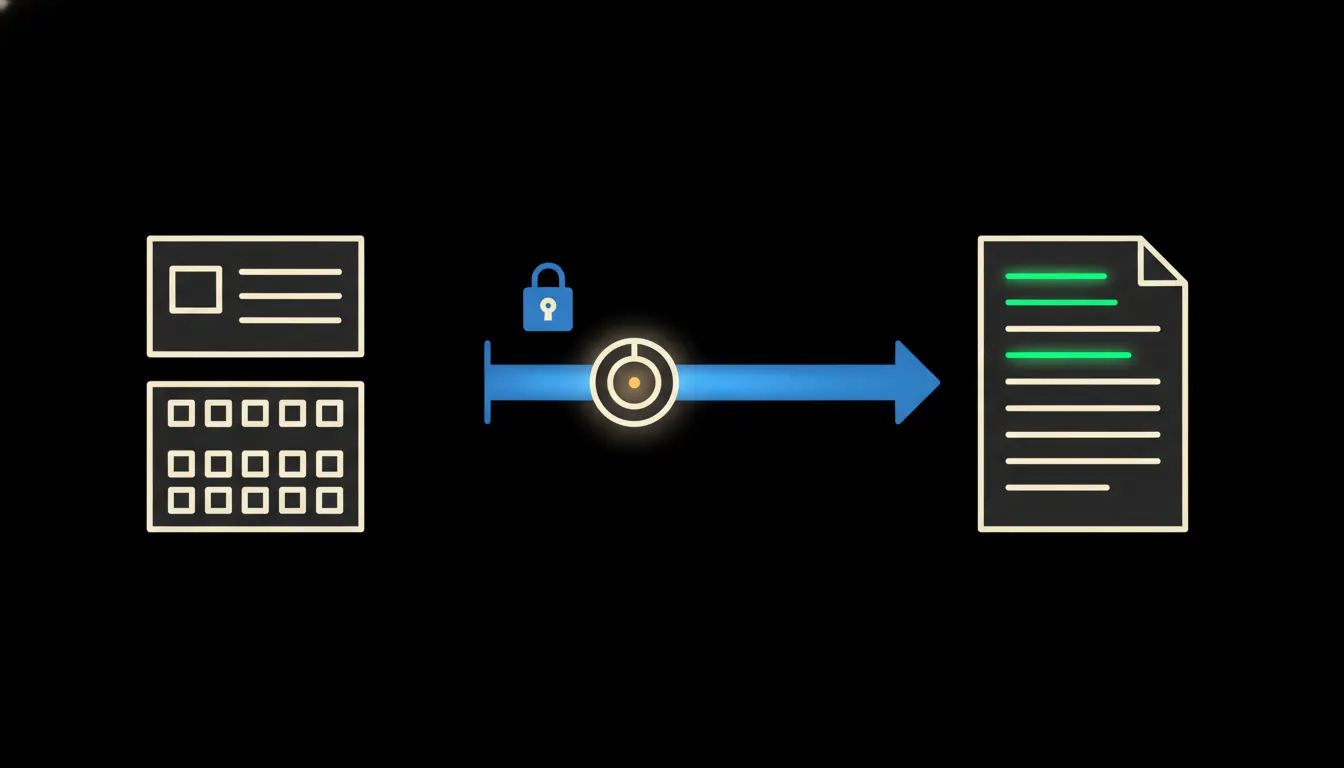
The proposal that ships the same day
Most salespeople send a follow-up email on day two or three. Claude drafts it five minutes after the meeting (from notes, a price list, and CRM data) and you just hit send.
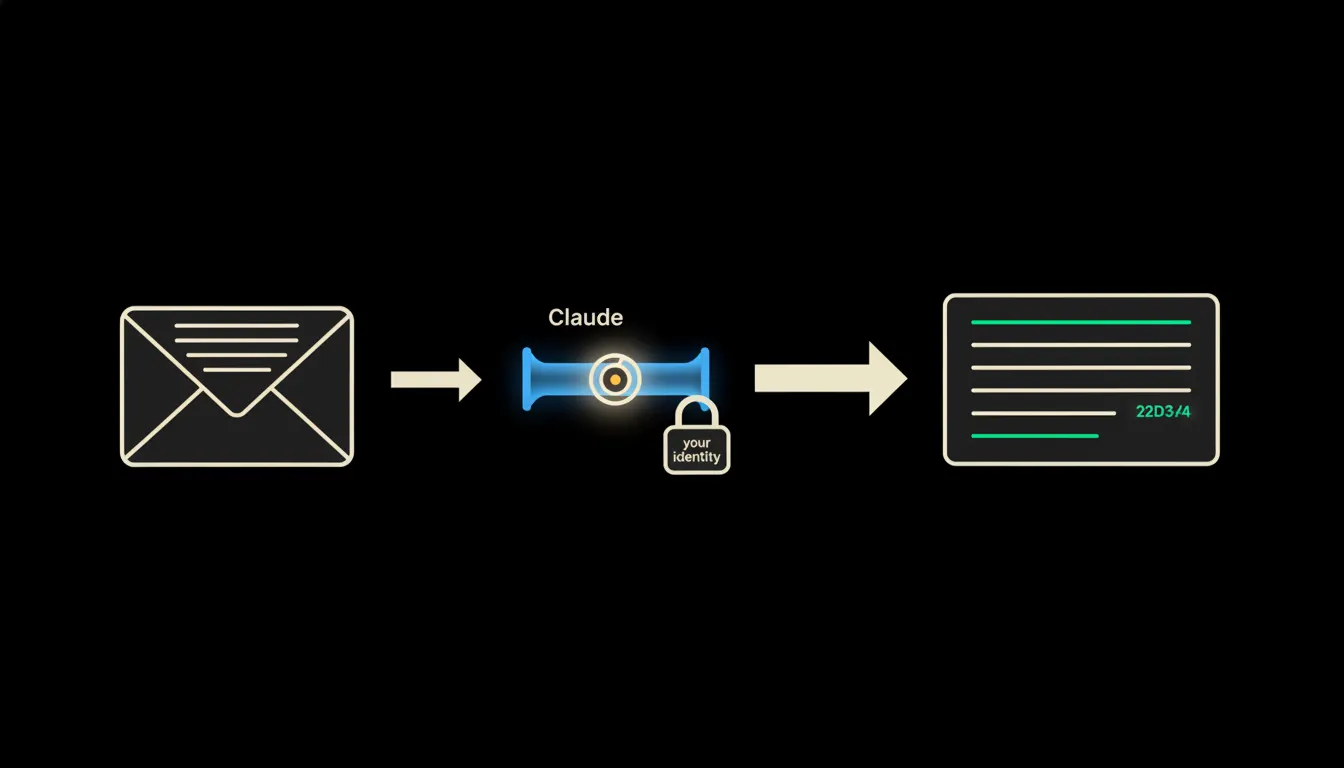
Every email straight into the CRM, no copy-paste required
After every call or meeting, a sales rep retypes notes into the CRM by hand, field by field. Claude does it immediately, in the right format.
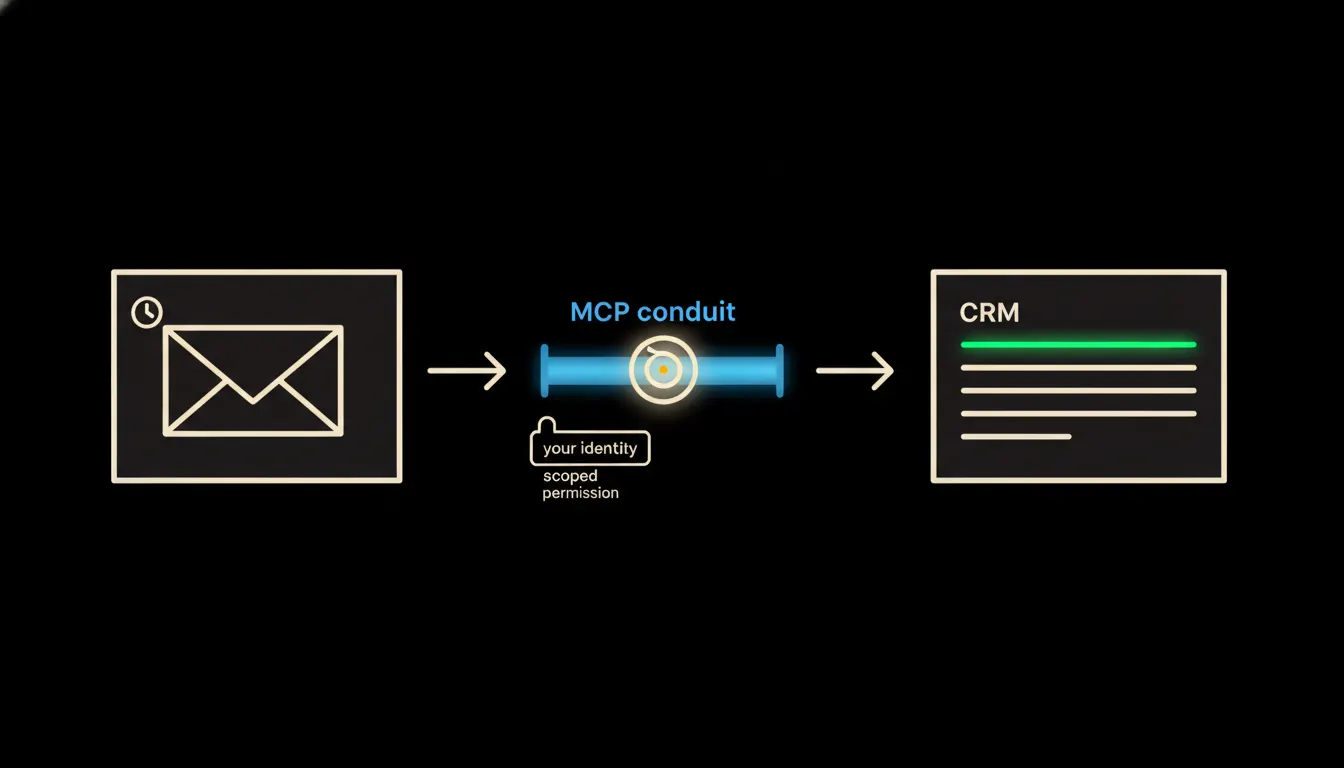
First reply to an enquiry in a minute, not a day
A customer sends an enquiry Friday afternoon. Monday morning they find they already chose the competitor who replied immediately. Claude reads the enquiry, pulls relevant data from your CRM, and drafts a reply before you've made your coffee.
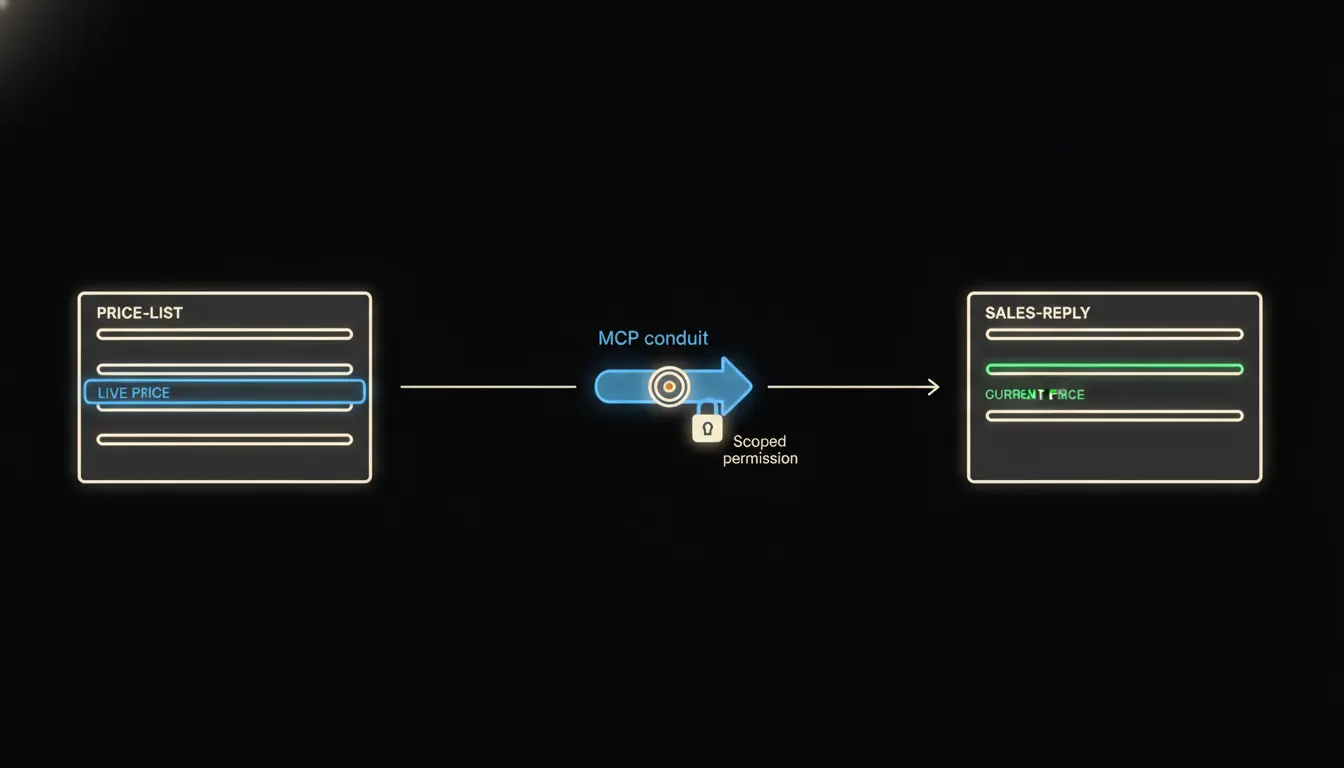
The price list that never needs to be resent
When a price or condition changes, the sales rep doesn't chase it by email. Claude pulls the current data itself, straight from where it lives.
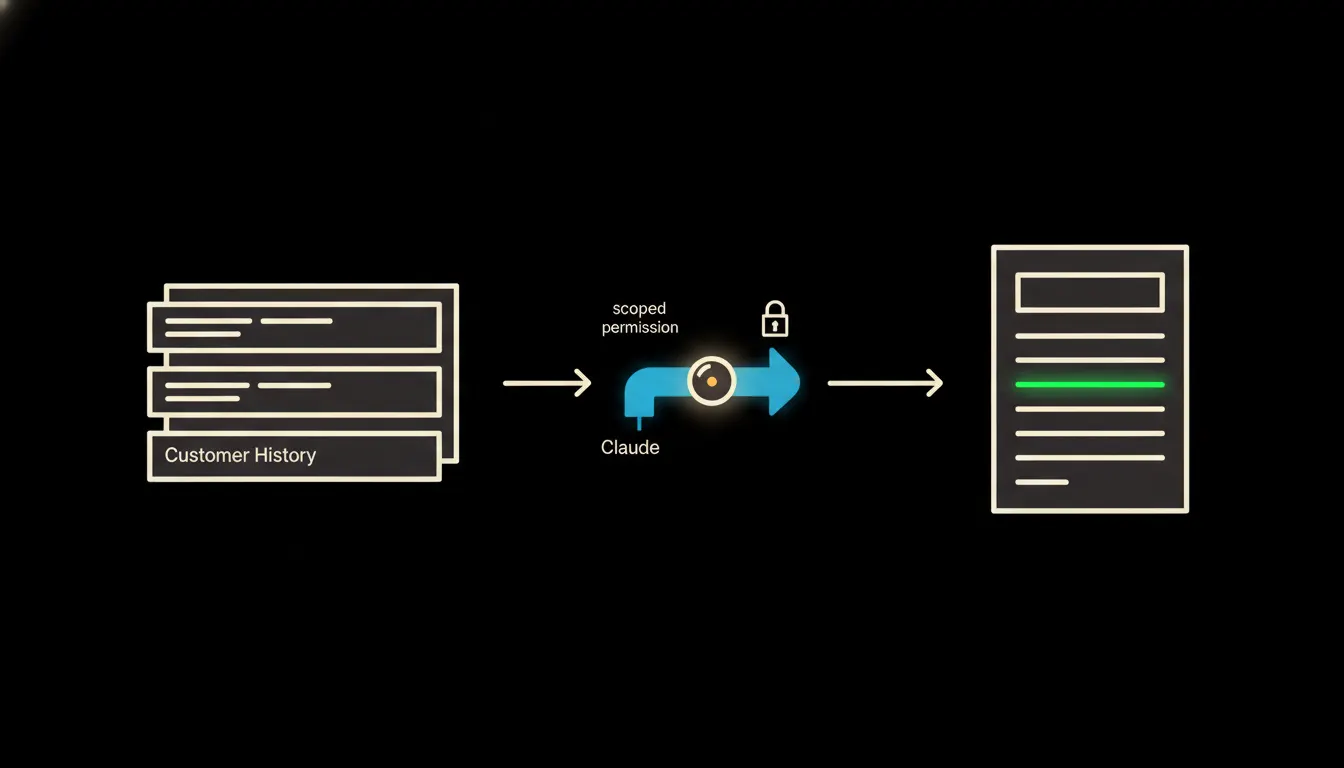
A proposal built from CRM data before you open your laptop
A sales rep opens their laptop in the morning and the proposal for today's meeting is already there, built from order history, open opportunities, and CRM notes. No copy-paste, no forgotten details.