The meeting runs an hour. CRM data entry takes another twenty minutes, and that is the optimistic case where the rep does it immediately. More often it gets pushed to the evening, the next morning, or never happens at all. The opportunity sits unupdated, the follow-up goes unsent, the task never gets created. And the customer waits.
The work nobody wants to do
Every sales rep knows the moment. The meeting ended well: the customer is interested, real numbers were discussed, a next step was agreed. The rep is sitting in the car or on the train, knowing they should open the CRM and log everything while it is still fresh. Instead they take three calls, arrive at the office, and go straight into the next meeting.
Sales practice is consistent on this: a large share of follow-ups never gets sent, even though most deals close only after several contacts. The problem is not motivation. The problem is that rewriting notes is slow, repetitive, and competes for time with the work that actually generates revenue.
I knew exactly what I promised in the meeting. But I logged it into the CRM the next morning, and left out half the details.
— Sales director, B2B technology company, illustrative scenario
What "connected" actually means
Connecting your CRM to Claude does not mean buying new software. It means building one small MCP server between Claude and your CRM, a bridge that carries the sales rep's own identity. Claude sees exactly what the rep sees: their own opportunities, their contacts, their tasks. Not their colleagues' deals.
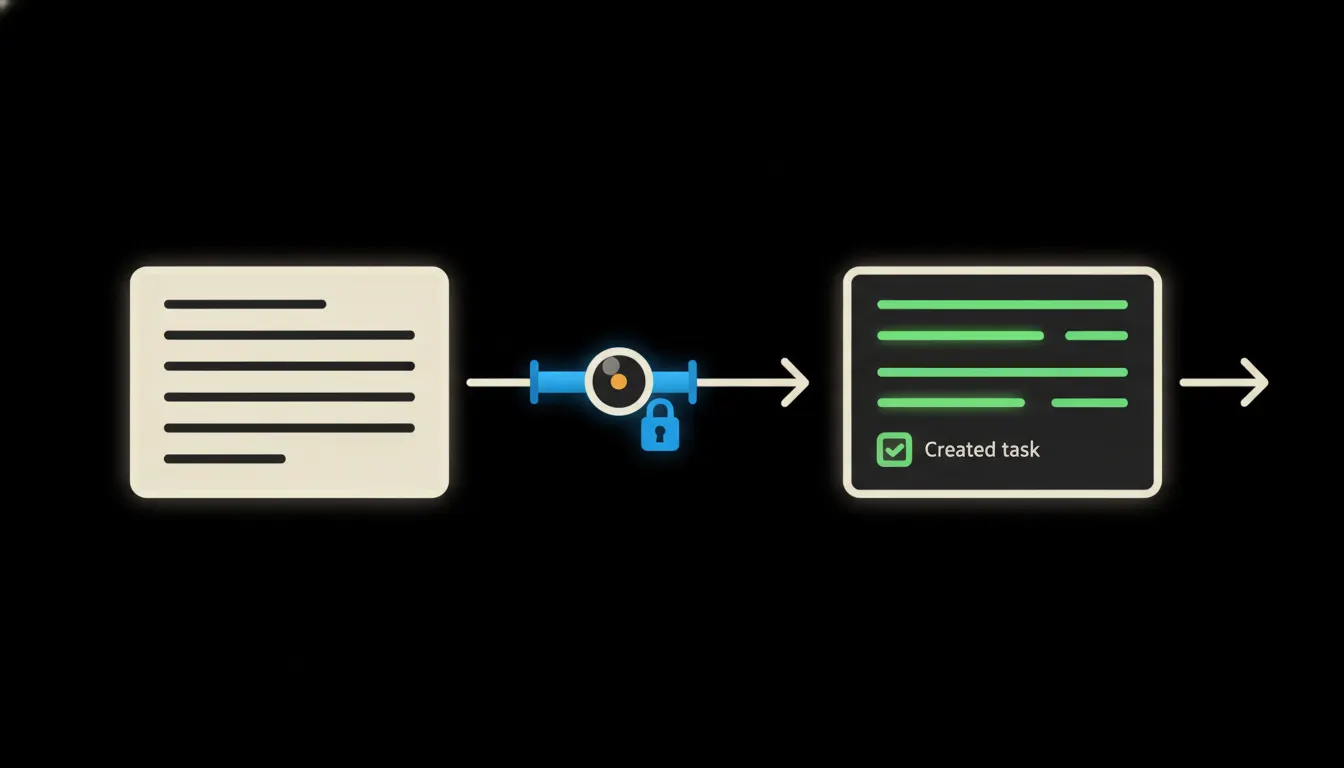
The rep types or dictates a raw post-meeting note. Unstructured is fine, whatever came to mind. Claude reads it, identifies the key information (customer name, deal stage, agreed price, next step, deadline) and drafts a proposed CRM update. The rep reviews the proposal and confirms with one click. Only then does anything get written.
Concretely: Raynet or Pipedrive
Raynet CRM (one of the most widely used CRM platforms for Czech SMBs) has a REST API that allows creating activities, updating opportunities, and adding tasks programmatically. The MCP server connects to that API and carries the rep's authentication token. Pipedrive, which many tech-savvy Czech companies use, works the same way. Your CRM stays unchanged. One authorised access point is added.
- Claude identifies the customer name and finds the matching record in the CRM.
- It proposes an update to the deal stage and opportunity value based on what was discussed.
- It creates a task with a deadline and the rep as the responsible person for the agreed next step.
- It drafts a follow-up email to the customer. The rep reviews and sends it only when ready.
- It logs the activity in the opportunity history with the date and a short meeting summary.
Consider a sales rep with four to six active opportunities per week. At four meetings a day and roughly fifteen minutes of admin work after each one, that is an hour of pure rewriting per day. Over five working days, that is five hours a week, more than an entire morning. Illustratively: a team of five reps collectively "loses" two and a half working days every week to administration that creates no value.
What AI meeting notes will not do and why that is good
Claude does not decide on pricing. It does not send an email to the customer without approval. It does not communicate anything to the customer that the rep did not intend to share. Every proposal (the CRM update, the follow-up text, the new task) is submitted for review first. If the rep rejects or edits the proposal, Claude adjusts.
This boundary is not a limitation. It is the condition for trust. A meeting note can contain sensitive information: a discount offered that the customer has not yet confirmed, or a promise that management still needs to approve. Claude uses that information as context for the proposal, but the final word always belongs to the rep. The human does not disappear: they stop transcribing and start deciding.
What it would take
This is not a year-long project. An MCP server for Raynet or Pipedrive is one focused integration: authorisation via the rep's API credentials, read and write access to defined objects (opportunity, activity, task), no additional database, no data copies. Everything runs on your infrastructure or the cloud environment you already use, not ours, not a shared tenant.
What is left
The model is not the bottleneck. Claude can read, understand, and structure a meeting note reliably. The bottleneck is the gap between Claude and your CRM: that gap is why records stay stale, follow-ups go out late or not at all, and opportunities get lost in the noise. The MCP server closes that gap.
Write to us. A short call is enough. We will go through which CRM you use, what your typical meeting note looks like, and what the bridge would need to handle. What comes back is a concrete proposal, not a presentation about the future of sales.