Notes from the inside of real AI infrastructure.
What we ship for customers, what works, what does not, and the patterns we keep seeing across enterprise teams adopting Claude.
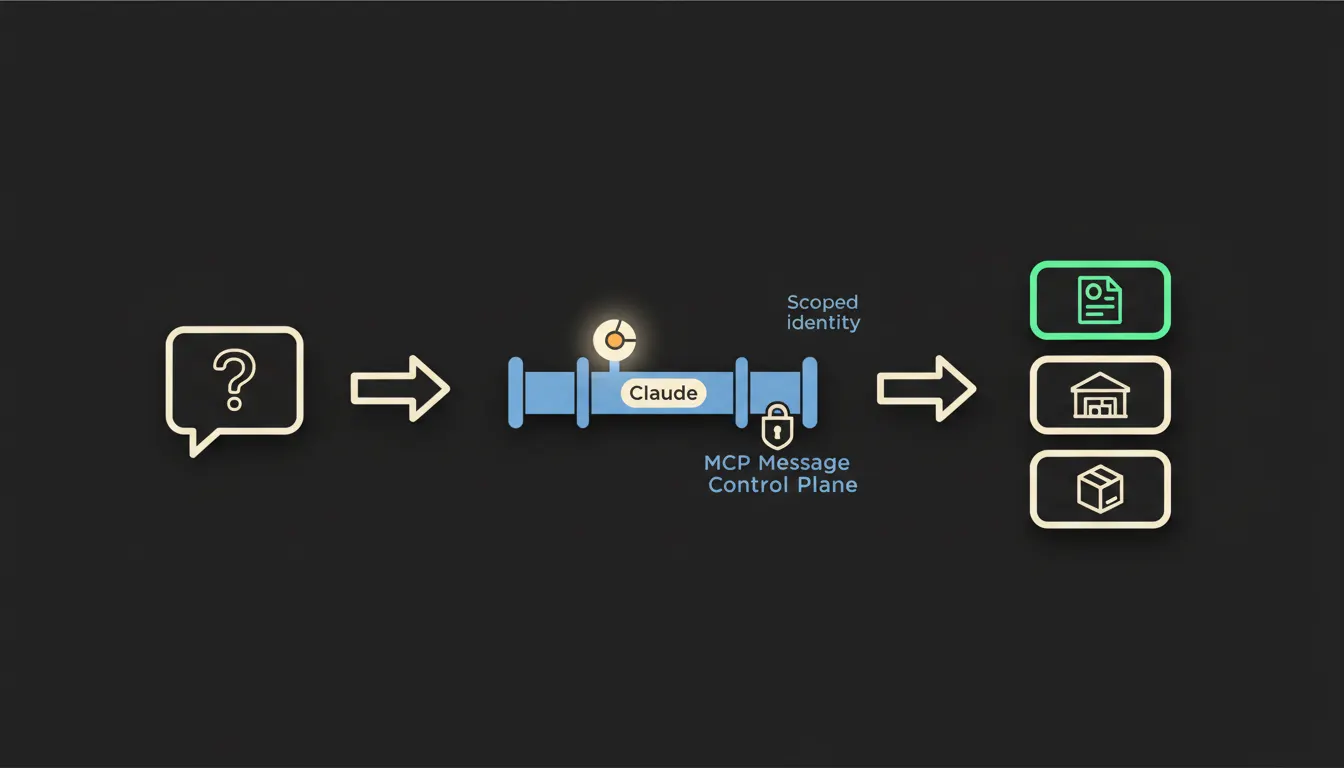
Where is my order: an answer from your own systems in seconds
The most repeated support question has the dullest fix: find the order number, open the warehouse, check the carrier, write the mail. Give Claude the same reads your operator has and all four happen at once.
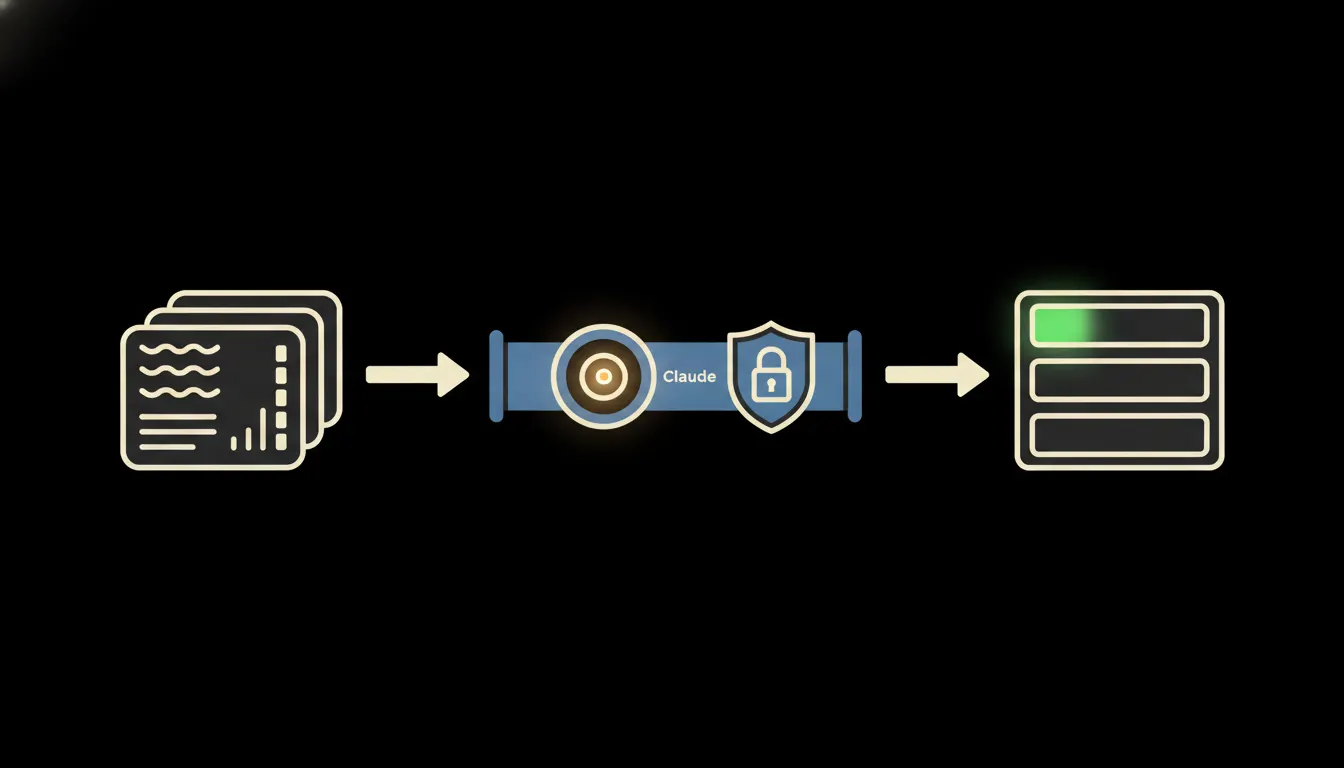
Czech CRM connected to AI: what it means for a sales team
Most Czech companies run a CRM that records well and answers badly. Here is what changes when the same database is opened to Claude with one person’s permissions.
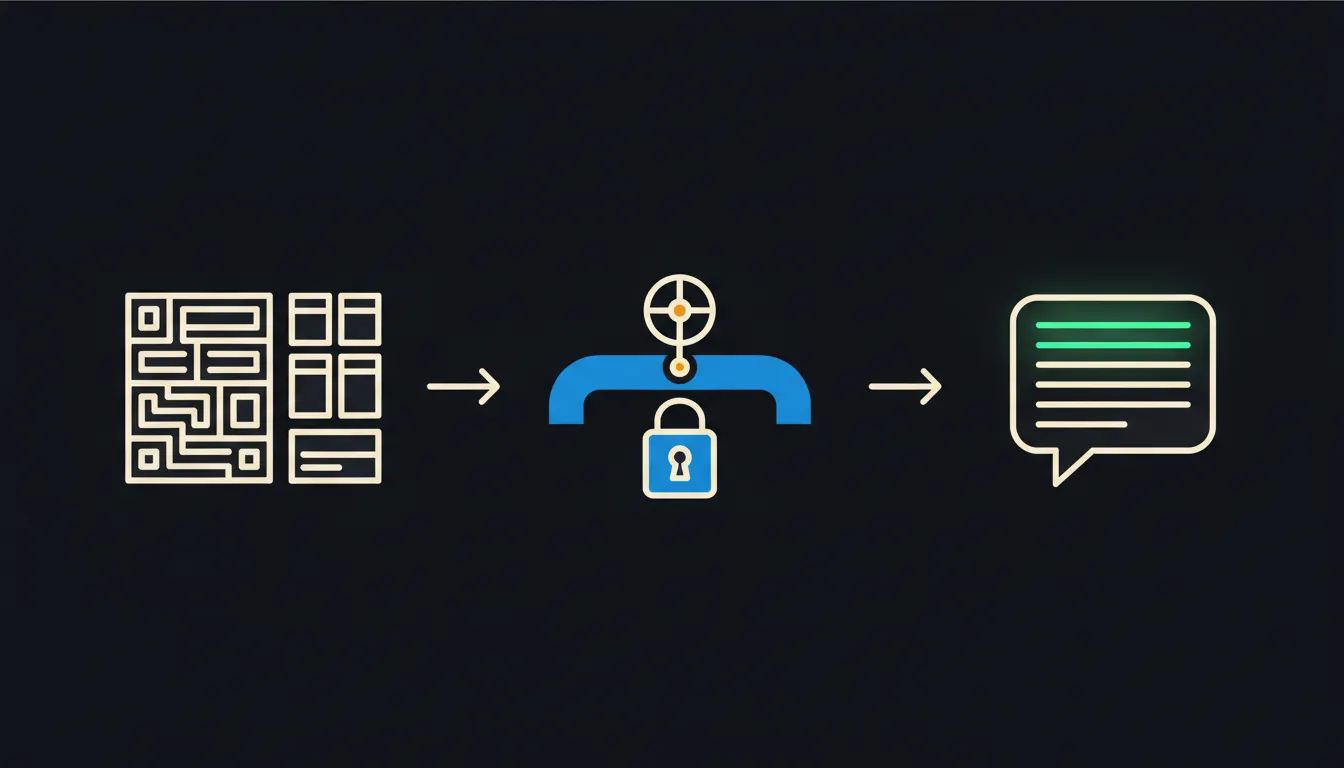
System integration: what it means and the words you will hear
Integration, connector, API, MCP. A short glossary of the terms that come up when you connect company systems to AI.
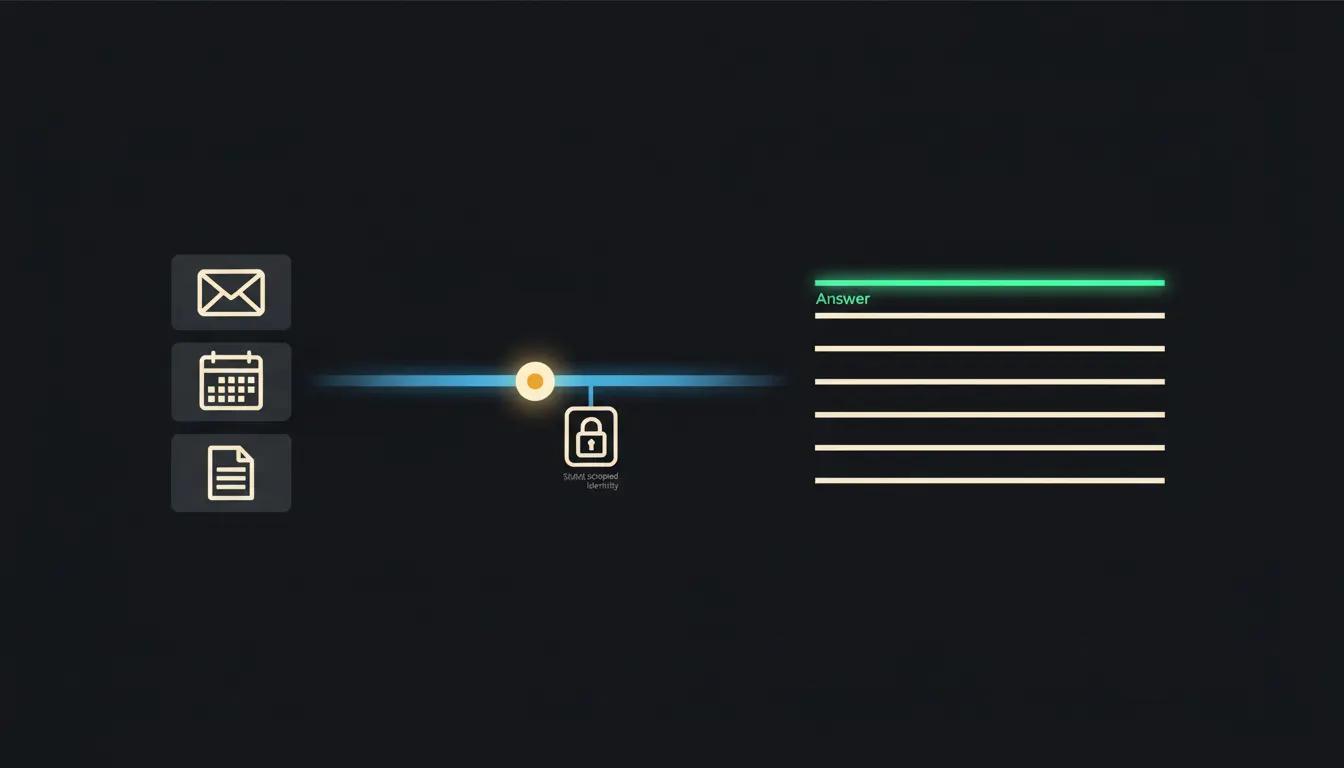
An MCP server for Microsoft 365: mail, calendar and documents in one connection
What an MCP server actually does once we build one over Microsoft 365. Claude sees only what the signed-in person is allowed to see, and nothing more.
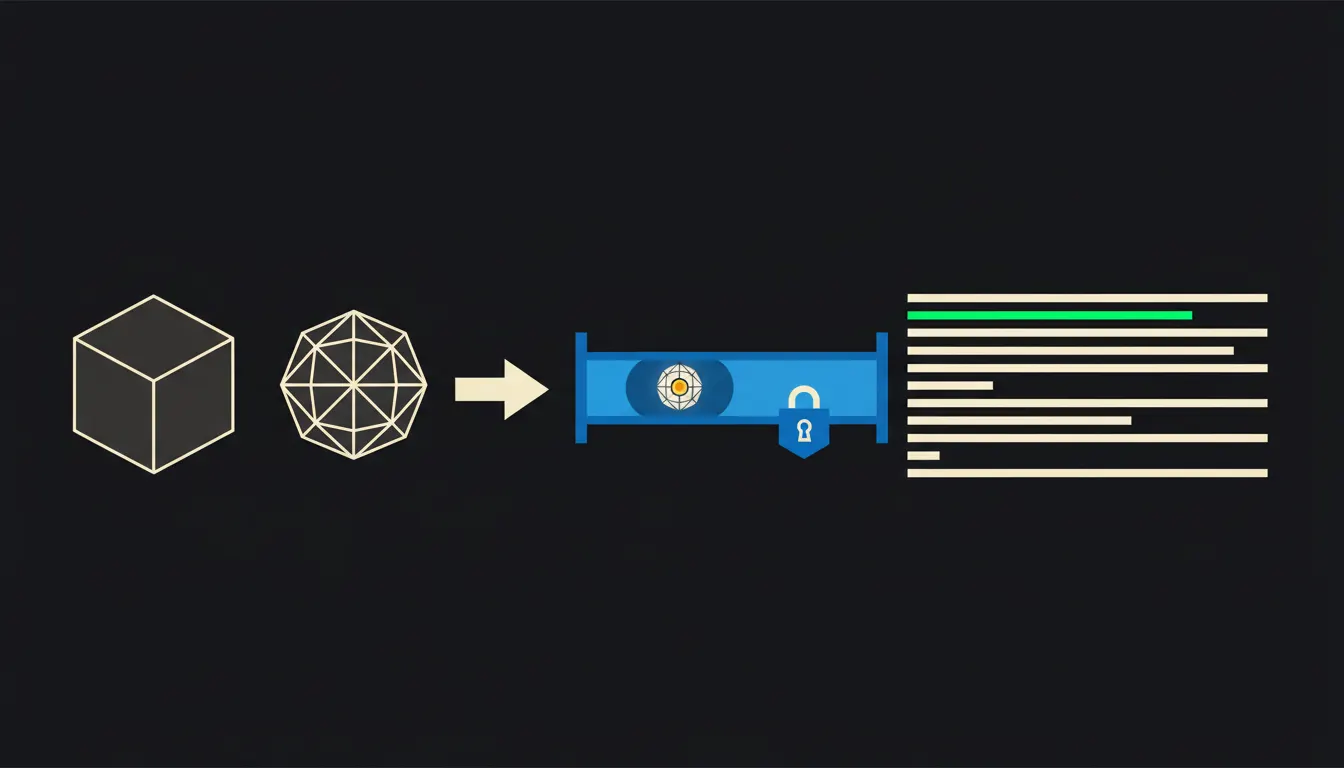
The Blender MCP server, and what it means for your own software
The most searched MCP example is a 3D tool being driven by Claude. It shows exactly what an ordinary company needs to know: if a graphics program can be connected this way, so can a warehouse, an ERP or an e-shop.
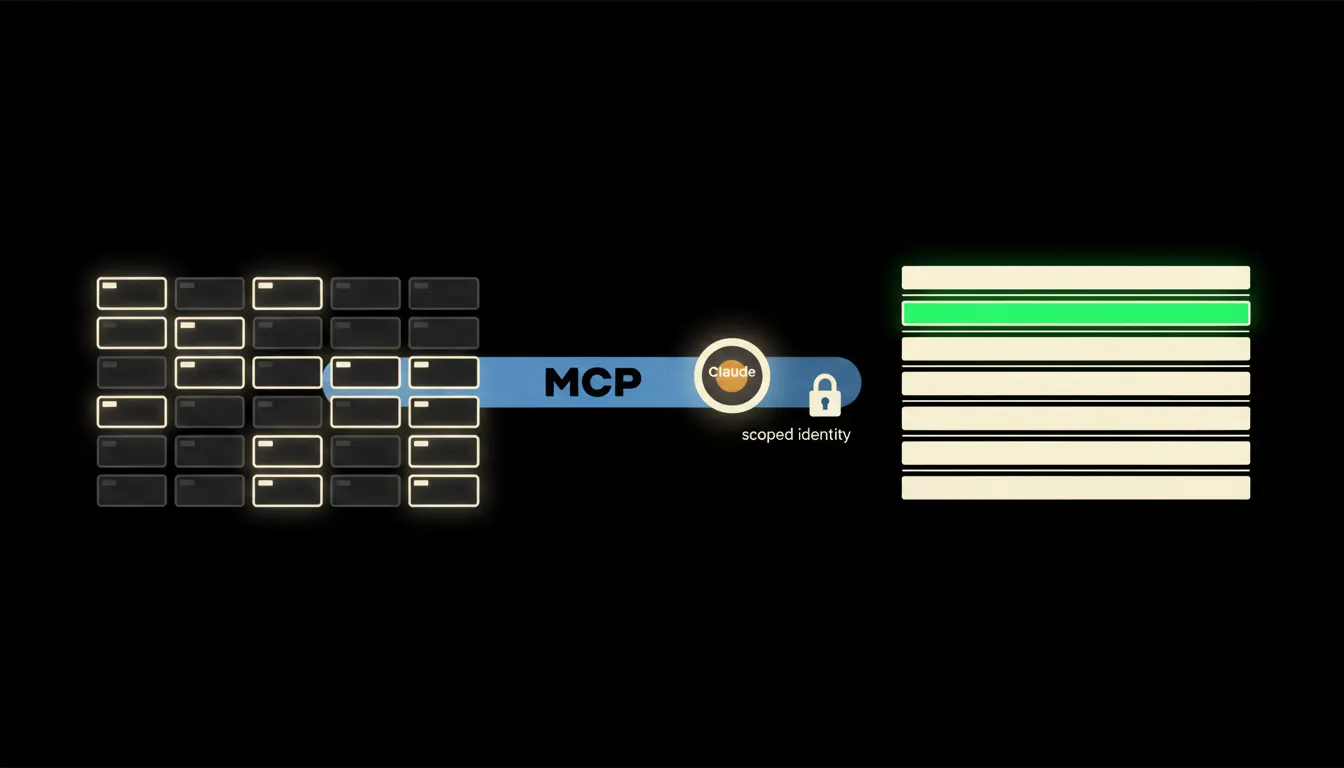
The MCP servers a company connects first
There are a lot of public MCP servers. Inside a company, only a handful decide anything. A guide to which ones lead to the data you work with daily, and which are still just a nice demo.
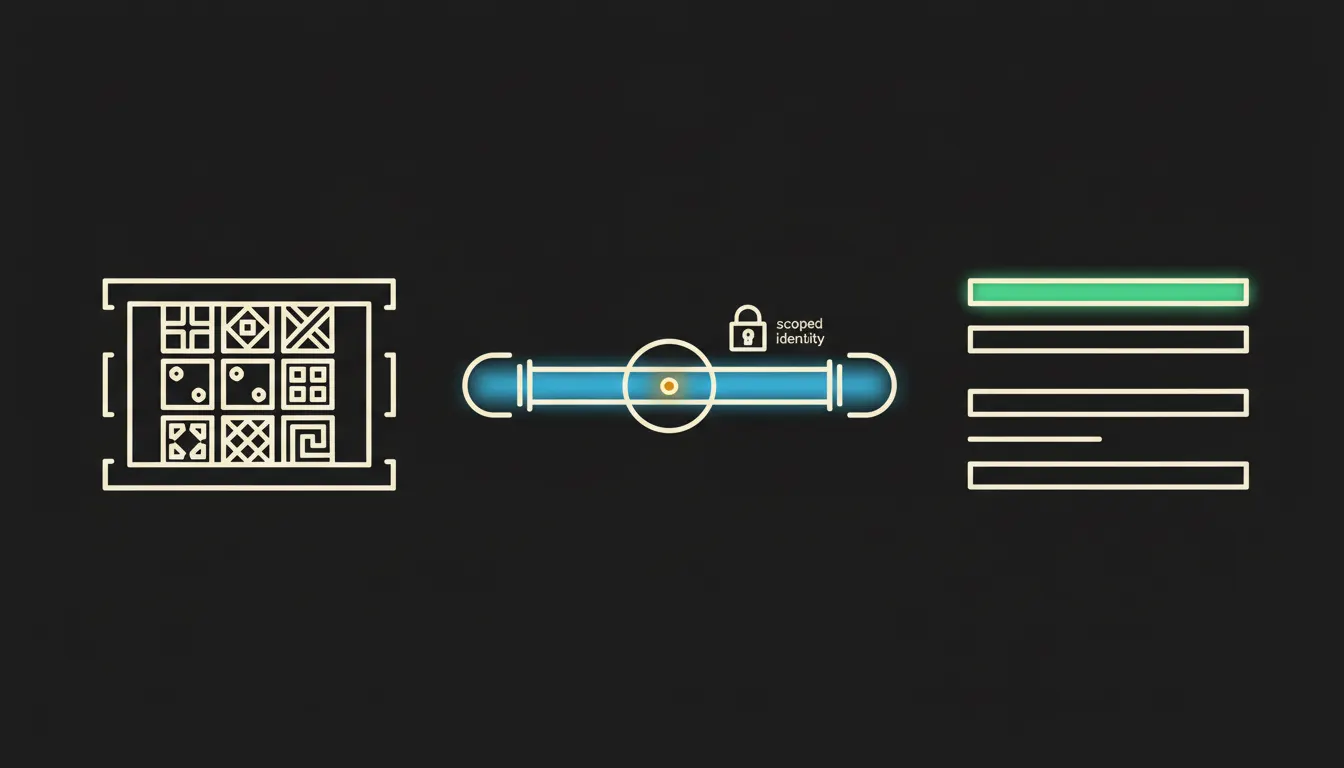
What an MCP server at a retailer like Rohlik means for ordering in your company
Once a customer can shop through an assistant, expectations shift for company orders too. What that means for your systems, and how to be ready.
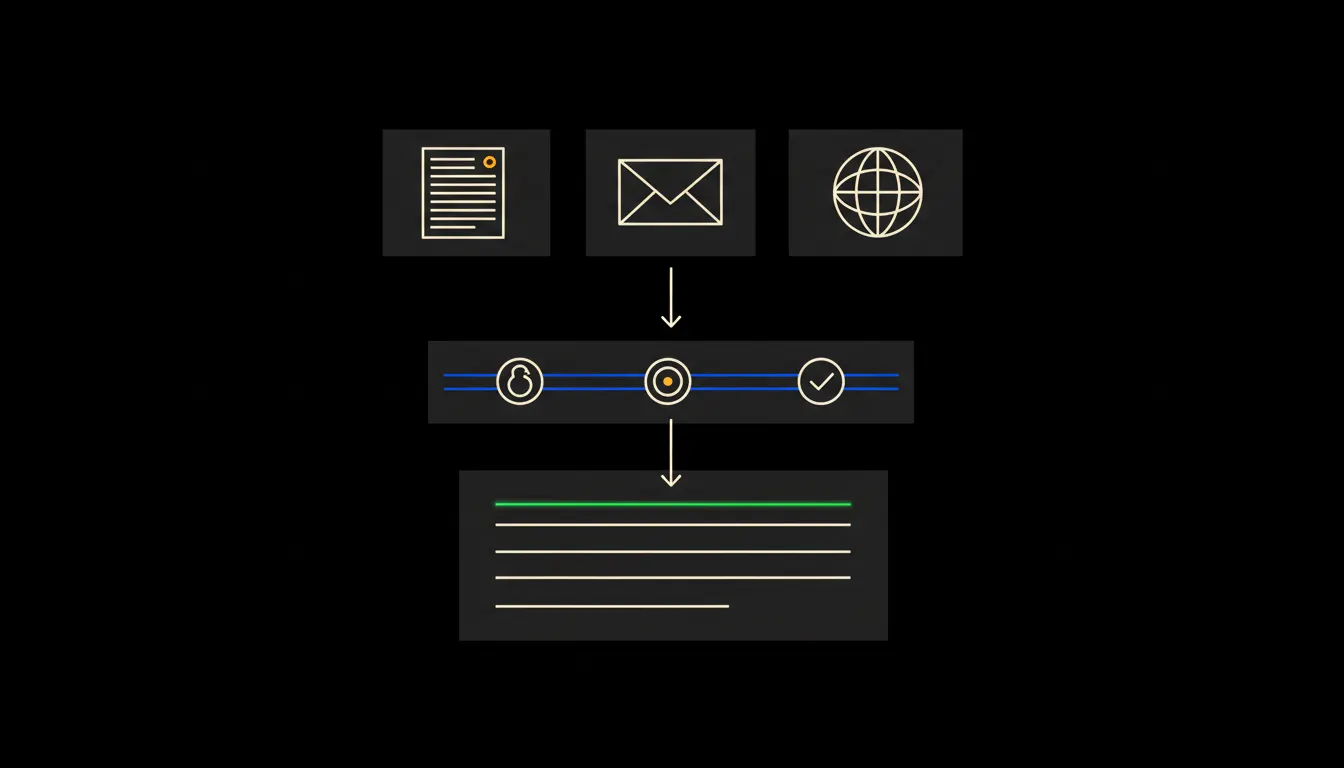
Your agent holds the keys and believes everything it reads
An AI agent wired into company systems is not dangerous because it is AI. It is dangerous because it reads text, and text can carry instructions.
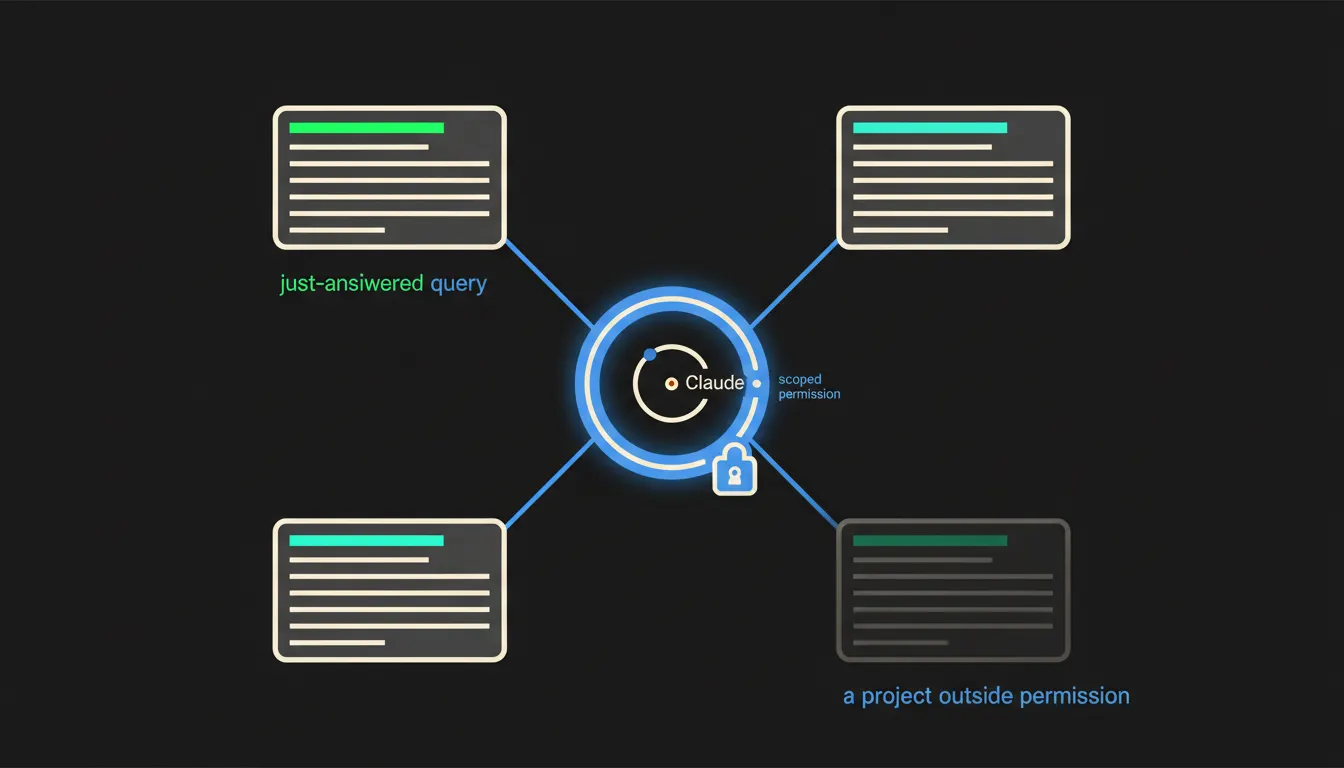
An MCP server for Jira: tasks and deadlines without opening Jira
Developers and everyone around them ask the same things: what shipped, what slipped, who is blocked. Jira can answer on its own, with the permissions of whoever asks.
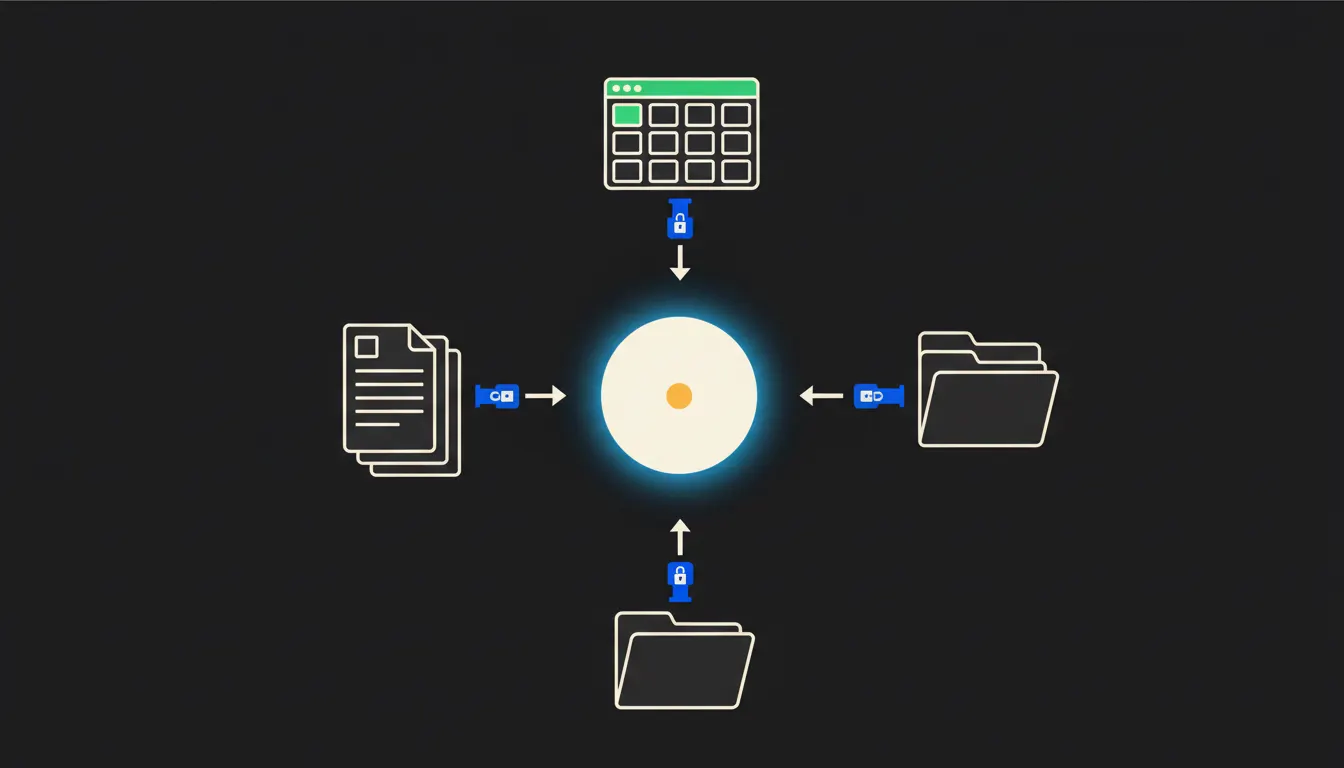
A company AI assistant without your own IT team: what it takes and where to start
An AI assistant that knows your company does not need in-house developers. It needs correctly connected data and one governed platform.