Notes from the inside of real AI infrastructure.
What we ship for customers, what works, what does not, and the patterns we keep seeing across enterprise teams adopting Claude.
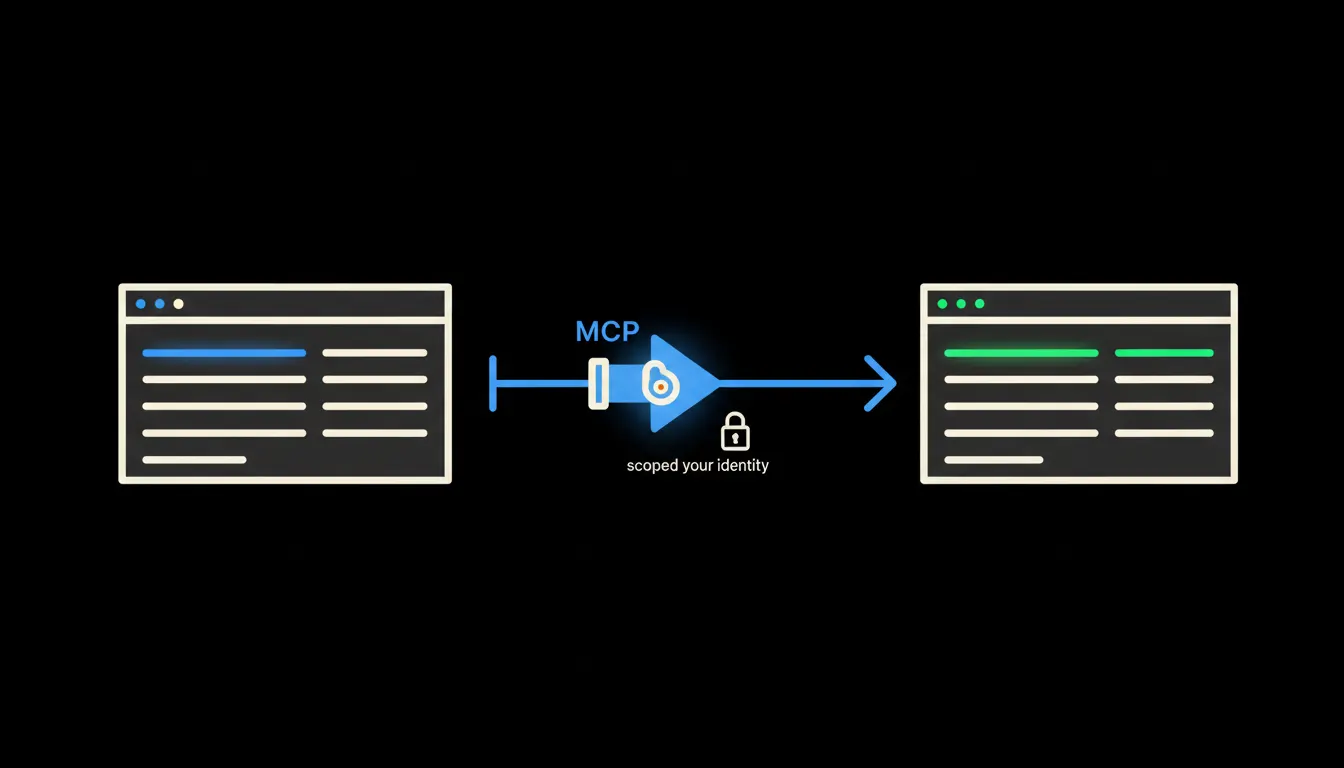
Relatoo CRM and Claude: what a sales rep can do when the data is connected
Relatoo is a Czech CRM that companies actually use. Here is what changes when Claude gets direct access to the data inside the system rather than waiting for an export.

AI Act checklist: are you ready? Questions and answers
A quick AI Act readiness test plus answers to the questions companies most often ask us. Made to share and to print.
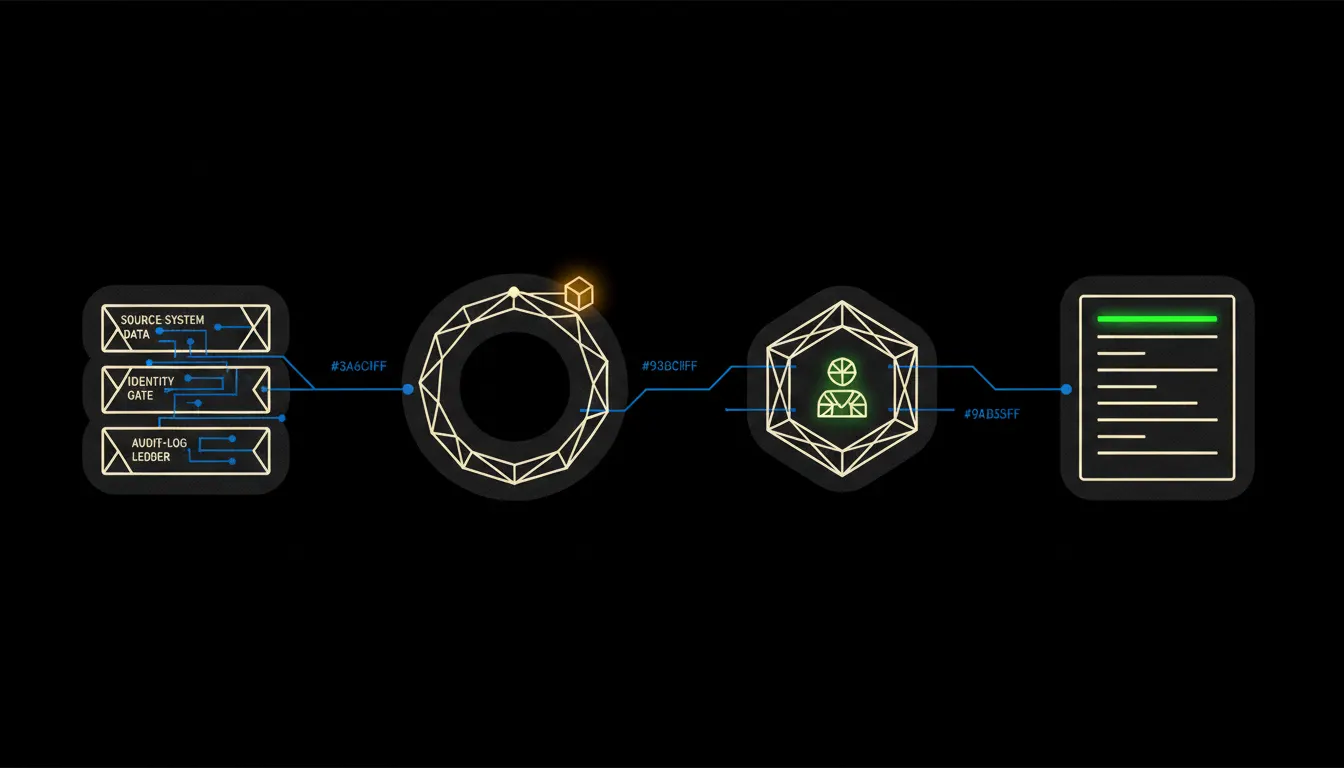
Getting AI Act ready: a practical implementation plan for companies
Six steps from an AI inventory to human oversight and an audit trail. Concretely what you must do yourself, and where the right infrastructure does half the work for you.
The EU AI Act: a complete guide to Europe’s AI rules for companies
Why it passed, what it actually requires, and what it means for your company. A current overview, including the deferral of the high-risk rules that took effect this week.
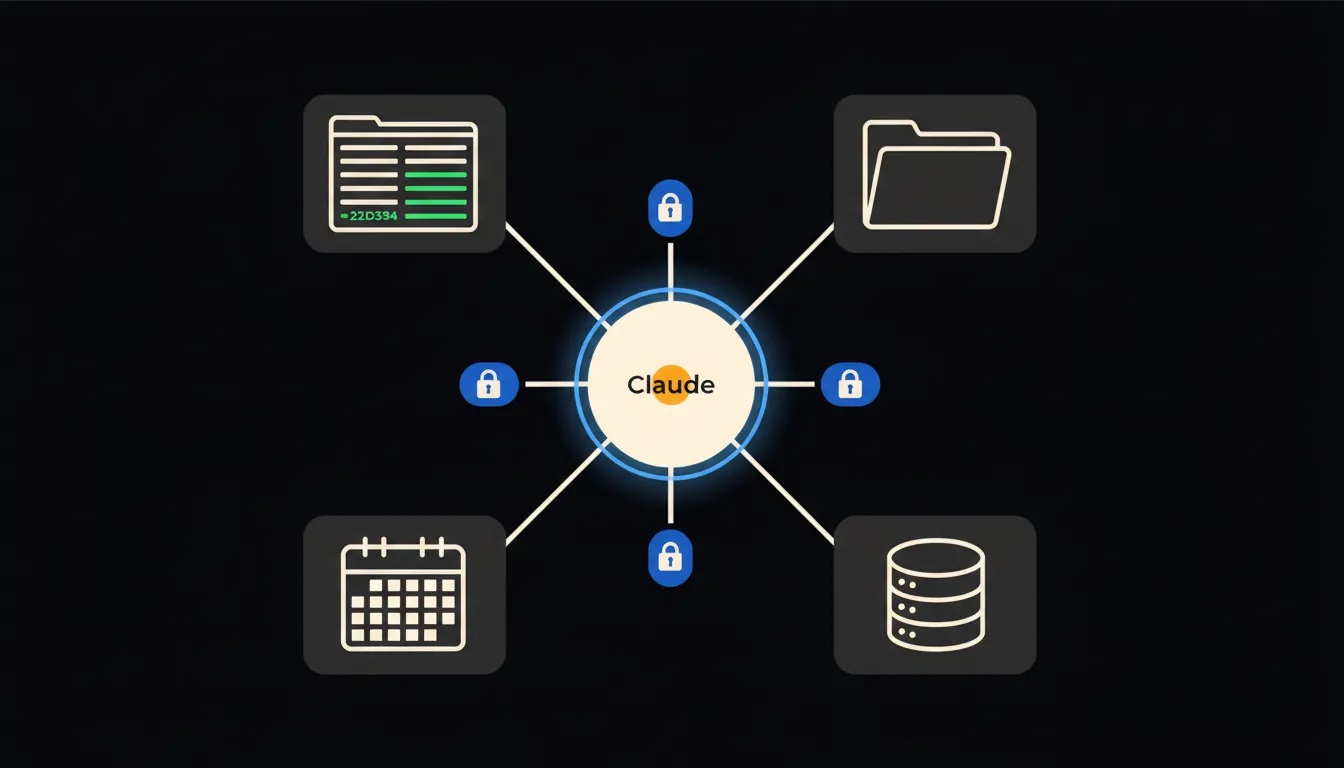
An AI assistant for your company: connecting it to your own data
A generic chatbot knows nothing about your prices, contracts, or internal processes. An AI assistant built on your own data is a different class of tool.
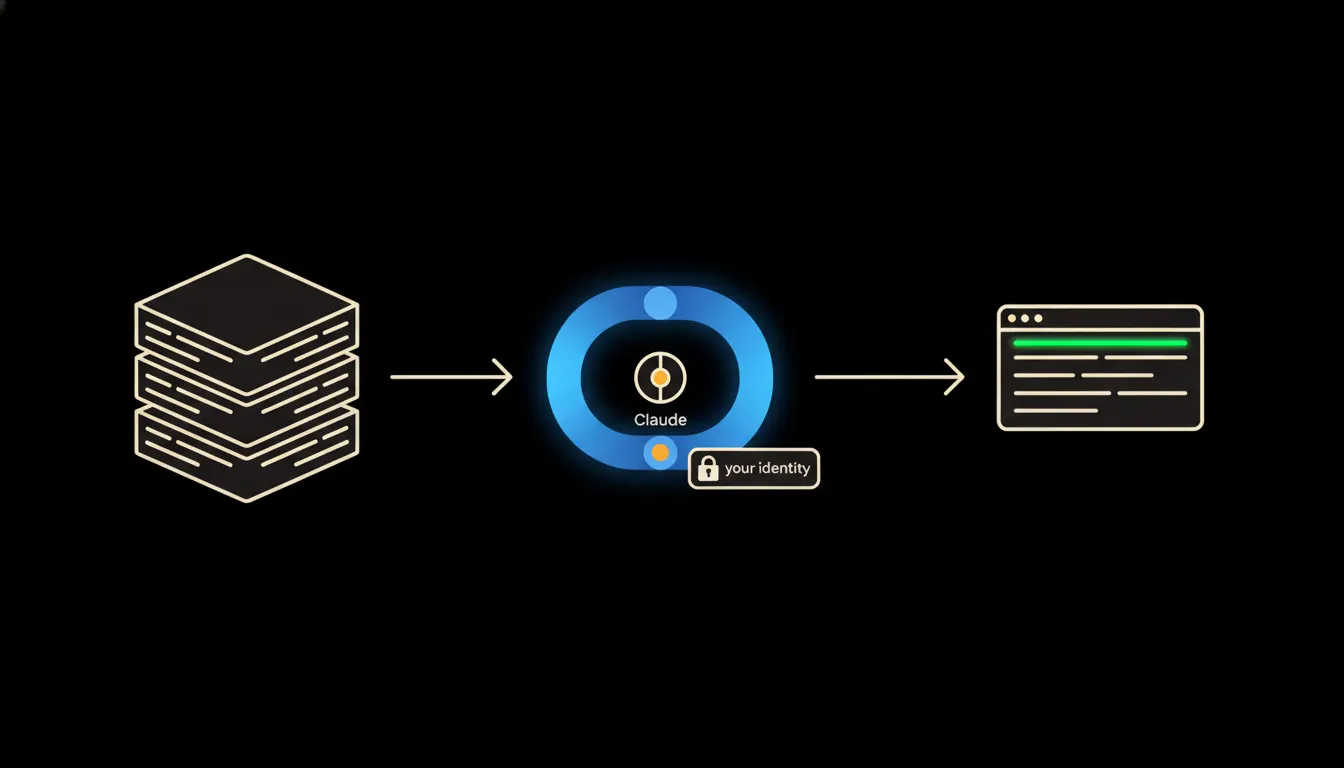
MCP server for Claude: what it is and how a company uses it
An MCP server is the bridge between Claude and the data your company already has. This article explains how it works, what it does, and why it matters even to people who never write code.
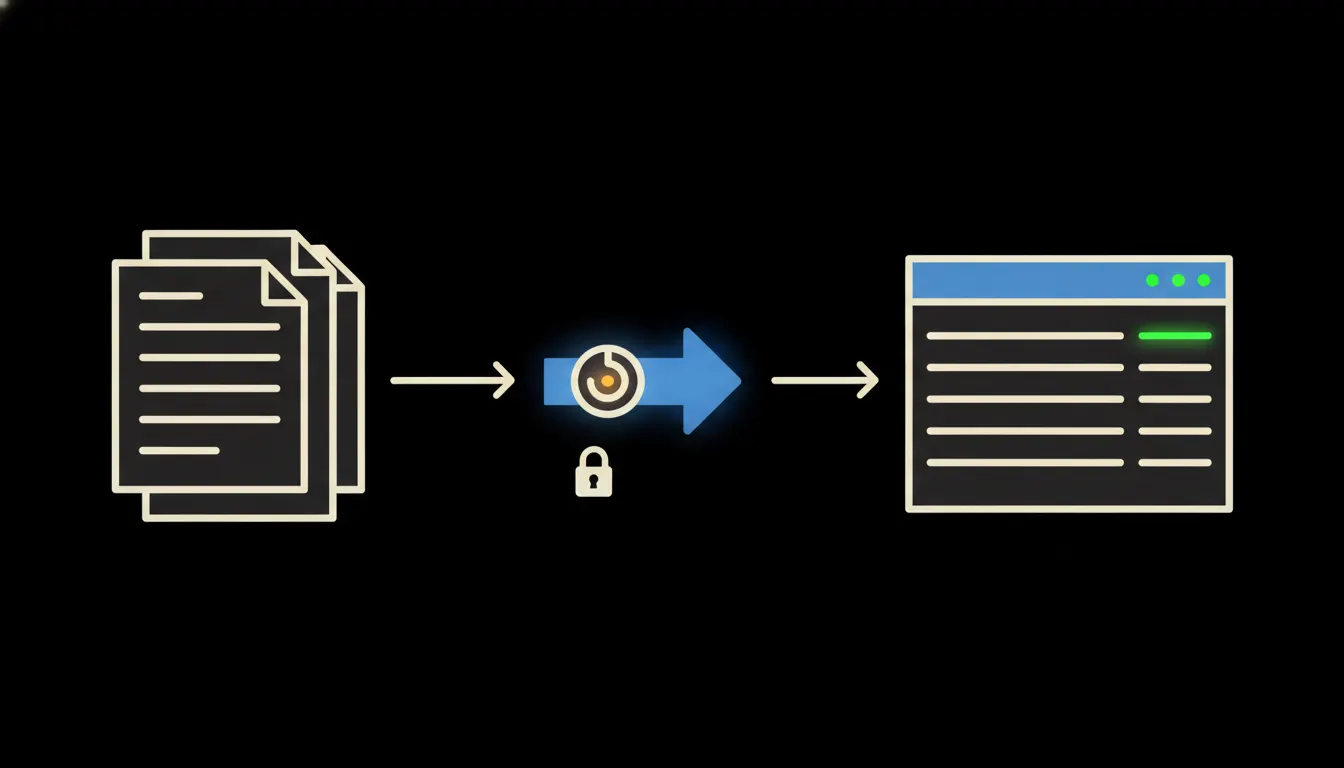
Automatic invoices without manual entry: how it works in practice
Order received, invoice issued within two minutes, record straight into Pohoda. No retyping, no waiting for the accountant.
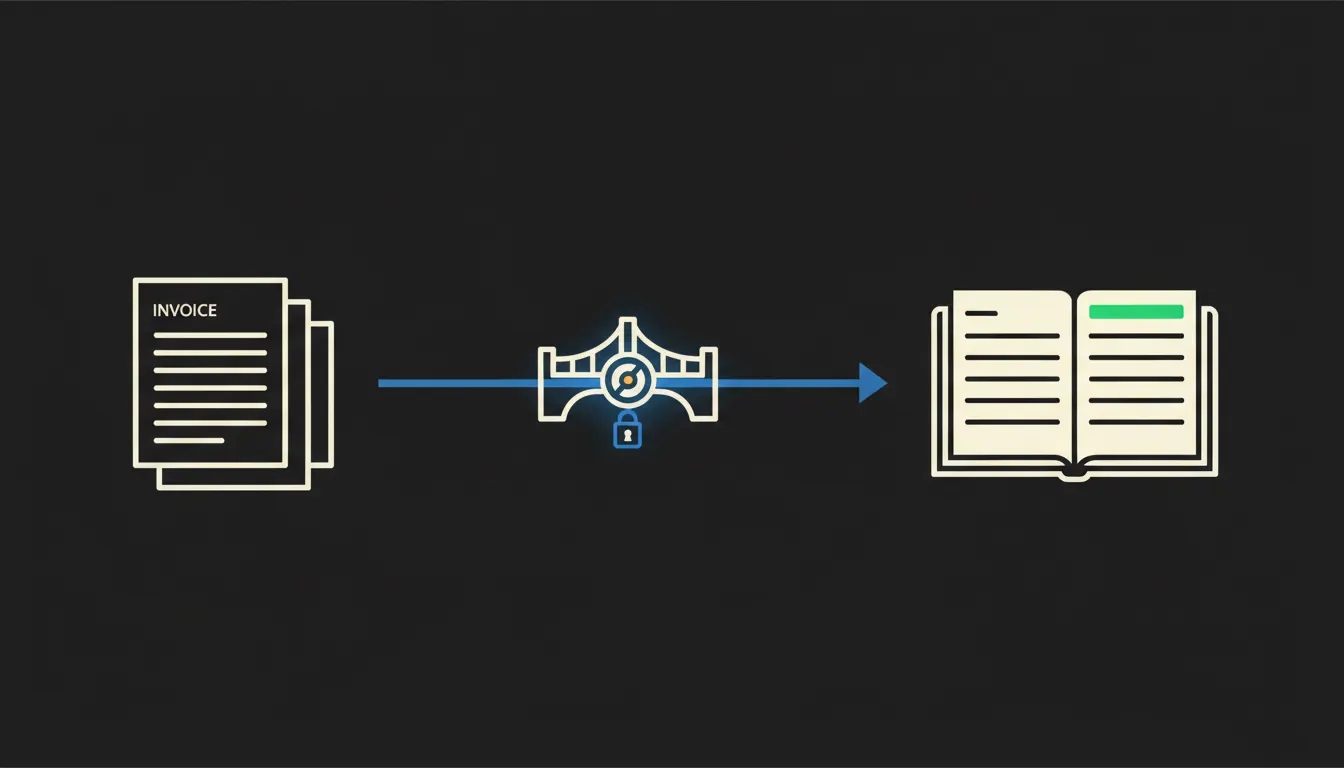
AI in accounting: where to start when you are not willing to experiment on live data
Companies are right to be cautious about AI in accounting. This article shows which tasks are safe for a first step and how Claude handles them without access to things that are not its business.
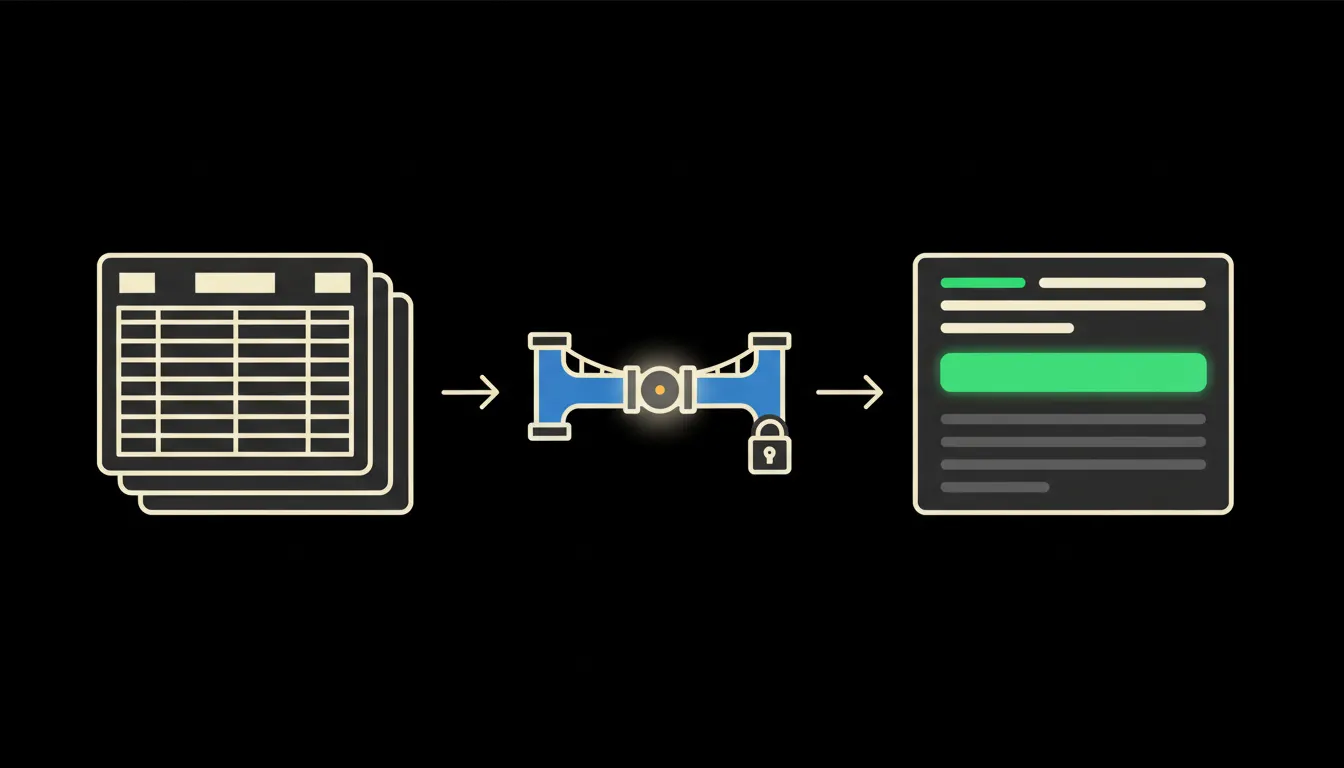
Pohoda and Claude: ask in Czech, get the number in a second
Instead of clicking through menus and exporting to Excel, you ask Claude a question and get the figure straight from Pohoda. No helpdesk, no waiting.

MCP server: three concrete examples of how Czech companies use it today
An MCP server is not a technical acronym for the IT department. It is a bridge that gives Claude access to your CRM, warehouse, or accounting system. Here are three examples that make sense immediately.